info@pspdynamic.com

+91-8824900416/40/14/12
Aluminium Lift & Slide Door Manufacturer in India | PSP Dynamic
2026-07-10Complete Buyer's Guide to Aluminium Lift Slide Door Profiles in India
Modern Indian homes and commercial spaces are increasingly moving towards large glazed openings that blur the line between indoor and outdoor living. At the centre of this shift is the aluminium lift and slide door profile, a system engineered to carry heavy glass panels smoothly, seal tightly against the elements, and deliver a sleek, minimal frame line. For anyone evaluating door systems for a villa, apartment, resort, or commercial project in India, this guide covers everything worth knowing before selecting a supplier.
What Is an Aluminium Lift and Slide Door Profile?
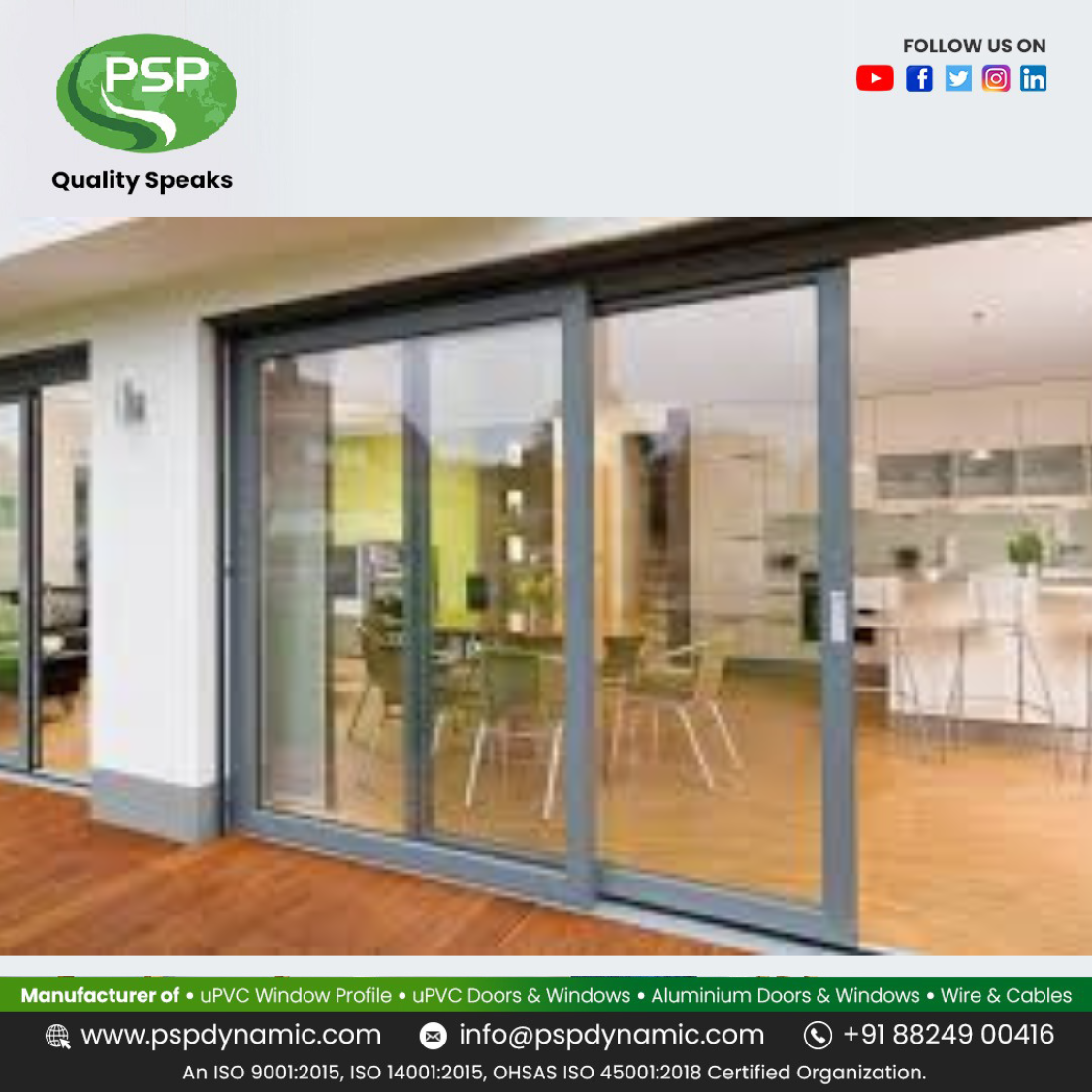
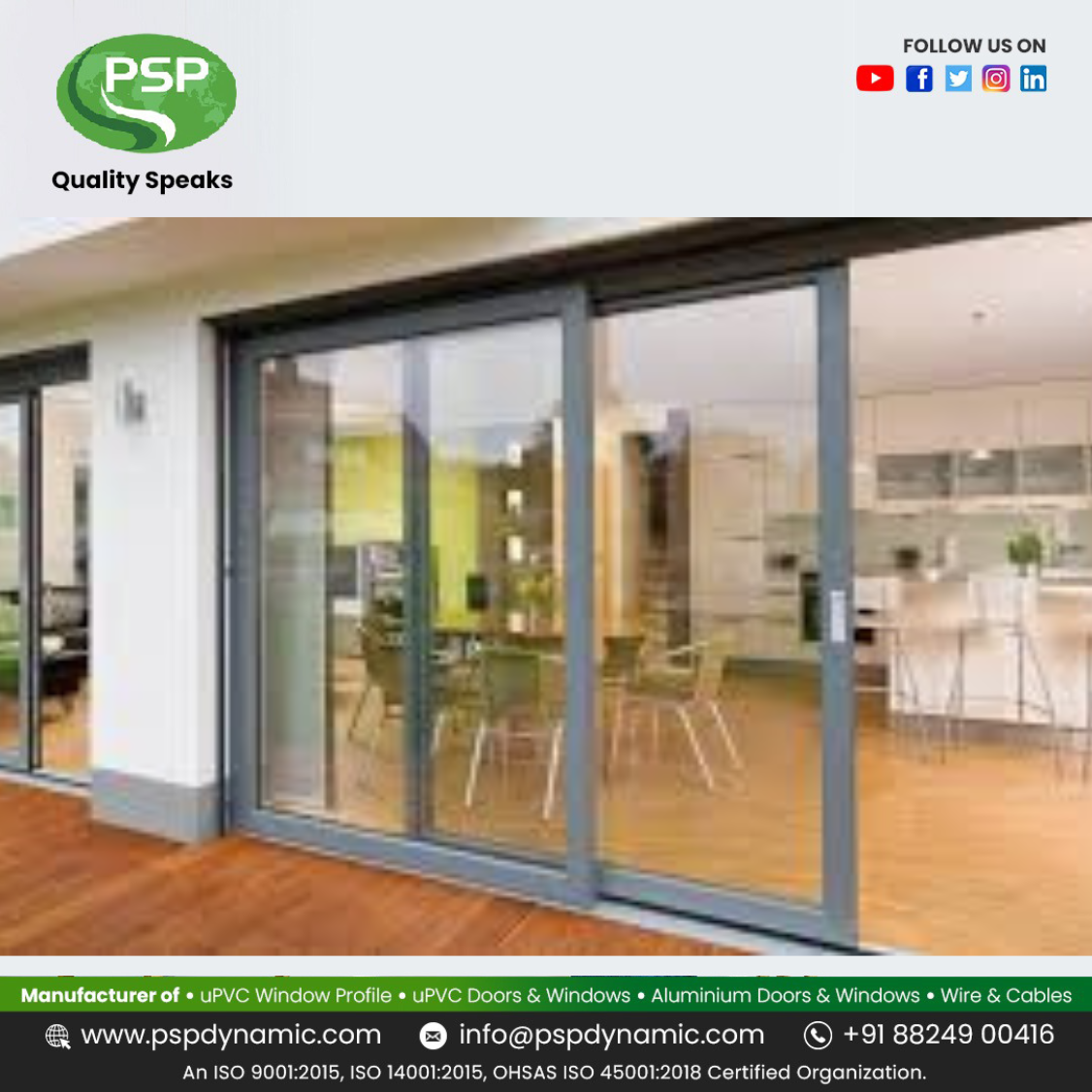
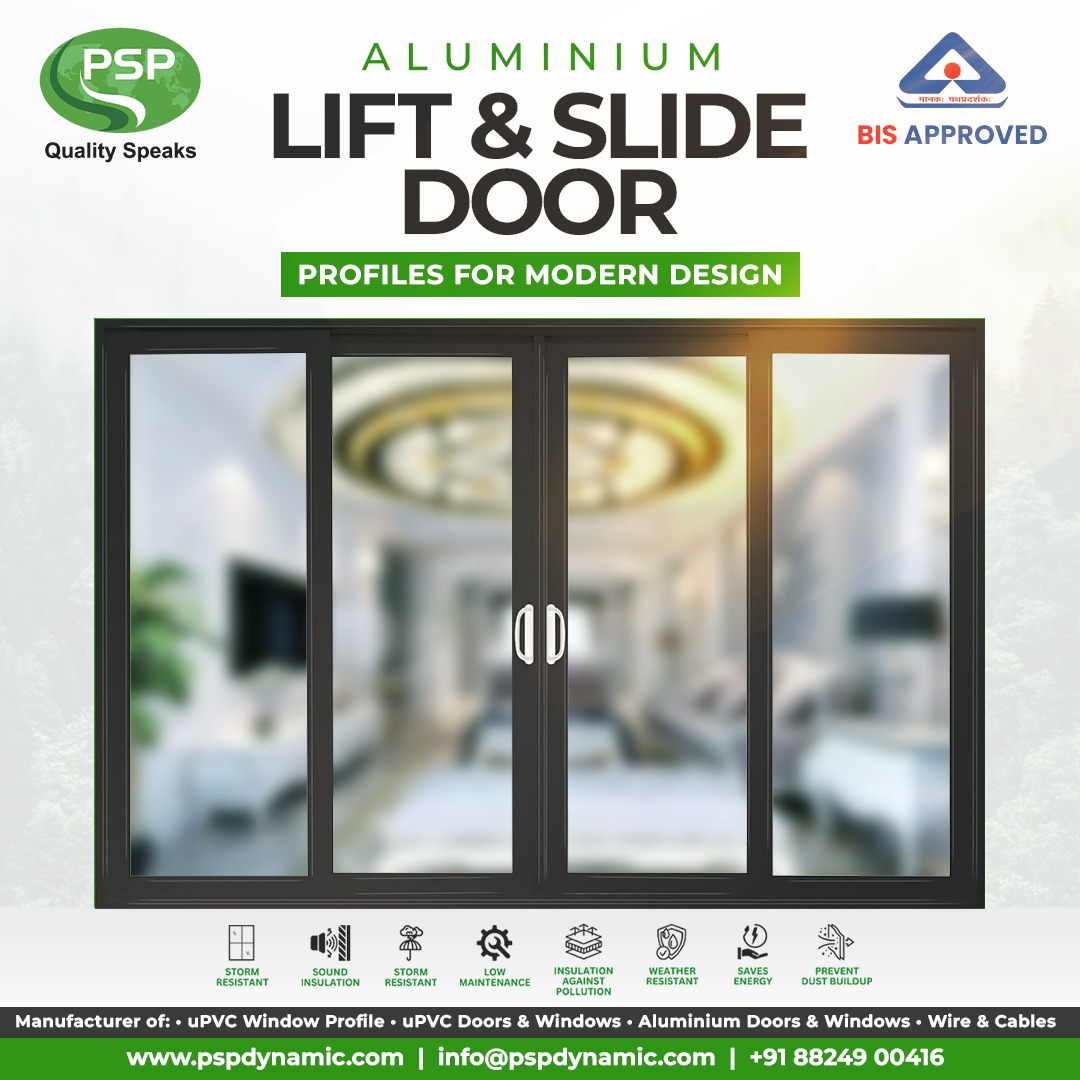
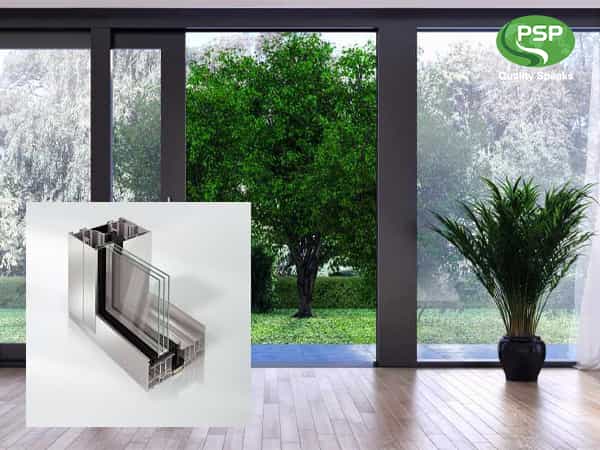
An aluminium lift and slide door profile is a specialised extrusion system designed for large-format sliding doors. Unlike a standard sliding door, where the panel drags along the track, a lift-and-slide mechanism physically raises the heavy glass panel a few millimetres off the track before it slides, then lowers it back down to lock and seal once closed. This mechanism is what allows lift-and-slide systems to support panels weighing several hundred kilograms, including double or triple glazed units, while still operating with minimal effort.
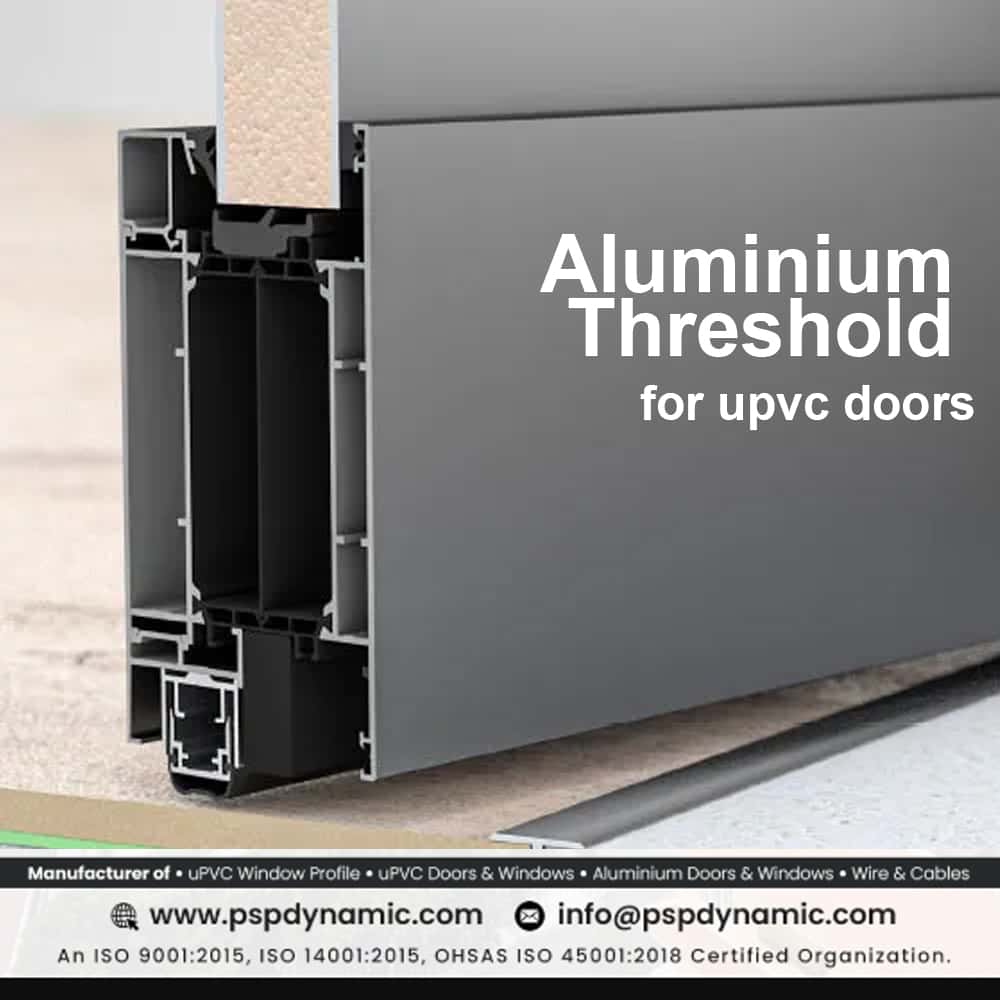
The aluminium profile itself forms the backbone of the system. It houses the rollers, the multi-point locking hardware, the weatherseals, and the reinforcement chambers that keep a wide span rigid without sagging over time.
Why Aluminium Lift & Slide Doors Suit Indian Homes and Buildings
India's climate places considerable demands on door hardware, from coastal humidity along the western and eastern seaboards to intense north Indian summers and monsoon-driven wind loads across the country. Aluminium profiles are particularly well suited to this range of conditions because the material resists corrosion far better than steel-reinforced alternatives; a powder-coated or anodised aluminium surface will not rust or pit the way hardware can in humid, salt-laden coastal air. Beyond durability, aluminium's high strength-to-weight ratio allows the profile walls to be made noticeably slimmer than other materials while still carrying heavy glass, giving architects the freedom to design narrower frame lines and larger glazed areas without compromising structural safety. Many modern lift and slide systems also incorporate a thermal break chamber within the profile, which slows heat transfer through the frame and helps keep interiors cooler during peak summer months. Because the extrusion can be engineered for higher load-bearing capacity, aluminium lift and slide doors are also able to span wider and taller openings than most uPVC alternatives, which is why they appear so often on the facades of villas, farmhouses, and resorts aiming for a strong architectural statement.
Key Features to Check Before You Buy
Not every aluminium lift and slide profile on the market is built to the same standard, so it helps to understand what separates a well-engineered system from a weaker one. The wall thickness of the extrusion is one of the first things worth checking, since a thicker-walled profile holds its shape and rigidity through thousands of lift-slide cycles, while a thinner one can begin to flex or sag over the years. The rollers and bogies beneath the panel matter just as much as the extrusion itself; look for stainless steel rollers rated for the actual weight of the glass panel being installed, rather than a generic rating. Security is another factor worth verifying, and a good lift and slide system will include multi-point locking along the height of the panel, typically two to three lock points, rather than a single latch. The weatherseal design deserves close attention too, as co-extruded gaskets that maintain full contact even after repeated lifting and lowering are what keep dust and monsoon rain out over the long term. It is also worth confirming the glazing capacity upfront, meaning the maximum glass thickness the profile can safely hold, whether single, double, or triple glazing, along with the surface finish, such as powder coating or anodising certified for outdoor UV exposure, an important consideration given how intense Indian sunlight can be for large parts of the year.
Benefits Over Traditional Sliding Door Systems
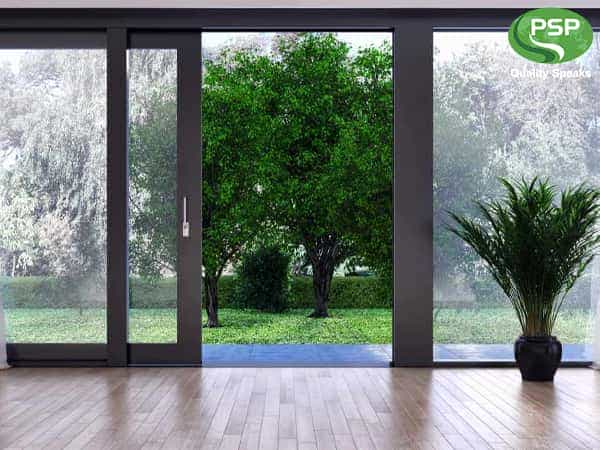
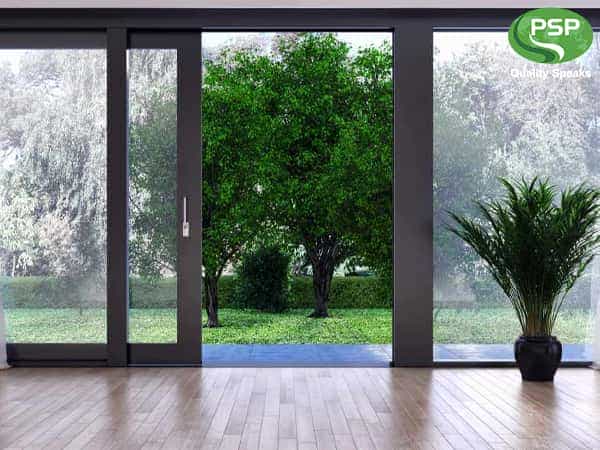
A lift and slide door offers a meaningfully different experience compared to a conventional aluminium sliding door, and the difference becomes apparent the moment one is operated. Because the panel lifts clear of the track before moving, even very large and heavy glass panels glide with minimal effort, whereas a standard sliding door tends to drag and stiffen as panel size increases. When the door is closed, the panel is lowered directly onto the seal rather than being pushed against it while sliding, creating a much tighter compression seal that offers noticeably better resistance to dust infiltration and wind-driven monsoon rain. This lift-and-lower action also reduces ongoing wear on rollers and tracks, since the hardware is not under constant friction the way it is in a standard slider, extending the working life of the entire system. The tighter seal further improves acoustic insulation and thermal performance, which matters in busy urban settings or homes exposed to extreme summer heat. Beyond the functional advantages, lift and slide systems tend to have a cleaner, more contemporary appearance, with slim and largely uninterrupted frame lines that suit the aesthetic increasingly favoured by villas, farmhouses, and premium apartment projects across India.
Installation and Maintenance Tips
Getting the full benefit from an aluminium lift and slide door profile depends heavily on correct installation and basic upkeep, not just the quality of the profile itself. The sub-frame and floor track need to be perfectly level before installation begins, as even a small deviation can affect the lift mechanism and cause uneven wear over time. It is equally important to verify the panel weight against the roller and track rating before installation, particularly for double or triple glazed units, which are considerably heavier than single glazing. Once installed, the track should be cleaned periodically to prevent the build-up of dust and grit, a common issue in India's outdoor conditions, especially in dry or construction-heavy areas. Rollers and locking hardware benefit from lubrication every few months, and this becomes even more important in coastal or dusty regions where the mechanisms face harsher conditions. Finally, it is worth having the weatherseals inspected before every monsoon season to confirm they are still sealing correctly, since a compromised seal is often the first sign of trouble once heavy rain arrives.
How to Choose the Right Aluminium Door Profile Manufacturer in India
With a large number of fabricators and extrusion suppliers active across India, the real difference between a smooth-operating door and a problematic one usually comes down to the manufacturer behind it, not just the design on paper. It is worth prioritising a manufacturer that produces the extrusion in-house rather than trading imported or third-party profiles, since in-house production generally ensures more consistent quality control and stronger after-sales support when needed. It is advisable to request proven load and wind-pressure test data for the specific profile system under consideration, rather than relying on general claims. Custom fabrication capability is another important factor, as Indian residential and hospitality projects frequently require non-standard sizes that a rigid, catalogue-only manufacturer may not be able to accommodate. A track record of reliable pan-India project supply and consistent delivery timelines is a strong indicator of how the manufacturer will perform mid-project, and clear technical documentation, including glazing charts, hardware compatibility details, and finish options, is usually a sign that the manufacturer takes the engineering side of the product seriously.
Why PSP Dynamic Limited Is India's Trusted Choice for Aluminium Door Profiles
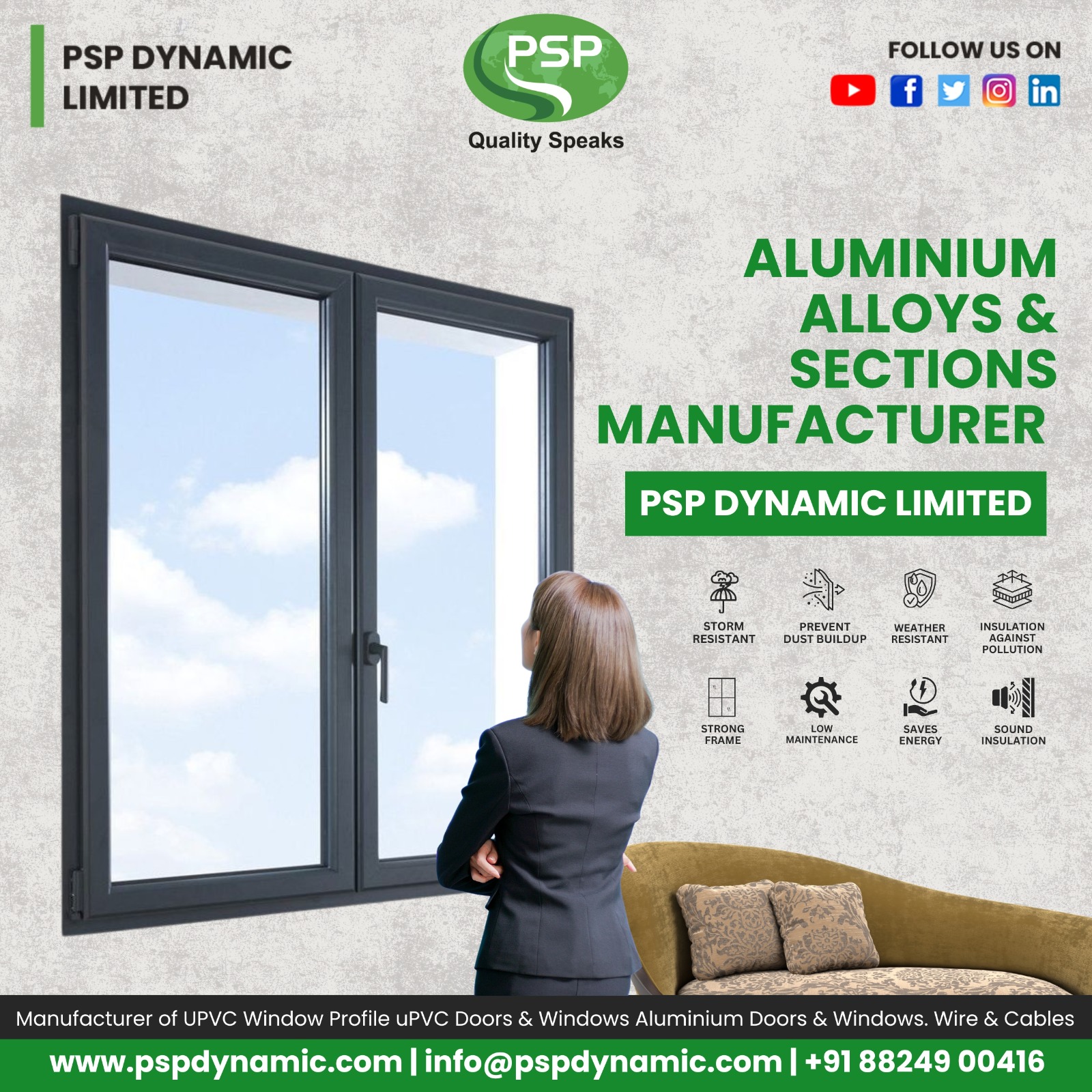
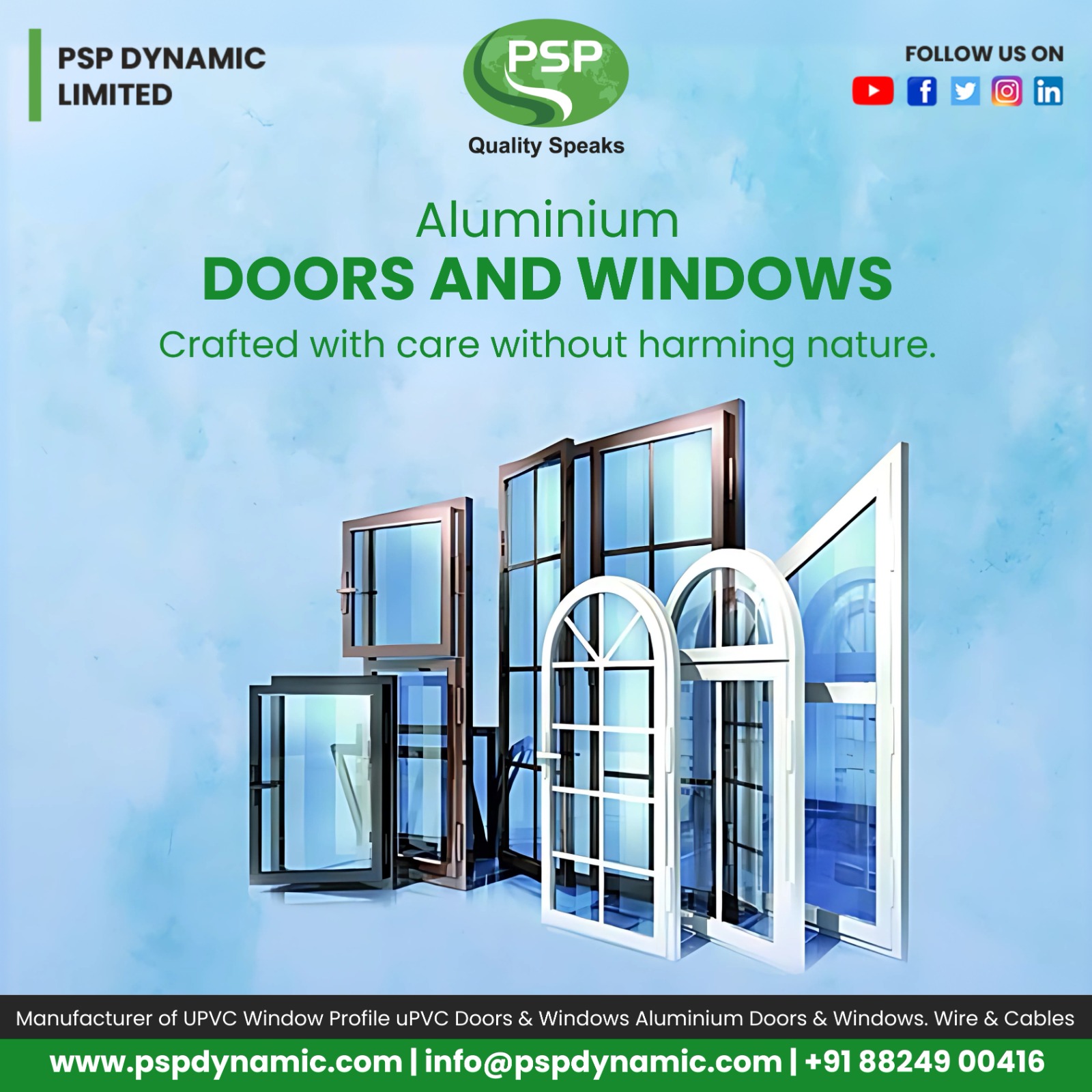
PSP Dynamic Limited manufactures aluminium lift and slide door profiles engineered specifically for Indian climate conditions and project requirements. With in-house extrusion, a wide range of finish and glazing options, and consistent supply across India, PSP Dynamic Limited has become a preferred partner for architects, builders, and fabricators seeking dependable, long-lasting aluminium door systems.
Whether sourcing profiles for a single villa project or a large multi-unit residential development, PSP Dynamic Limited provides the technical support and manufacturing consistency needed to get the specification right the first time.
Frequently Asked Questions
1. What is the difference between a lift and slide door and a regular sliding door?
A lift and slide door raises the panel slightly off the track before sliding and lowers it to seal on closing, allowing it to support much heavier glass panels with a lighter, smoother operation than a standard sliding door.
2. How heavy a glass panel can an aluminium lift and slide profile support?
This depends on the specific profile system and roller rating, but many aluminium lift and slide systems are engineered to support panels ranging from 300 kilograms up to over 500 kilograms per panel.
3. Is aluminium better than uPVC for lift and slide doors in India?
Aluminium generally allows for larger spans and slimmer frames than uPVC, making it a common choice for wide openings and premium facades, while uPVC is often chosen for cost efficiency on smaller openings.
4. Can aluminium lift and slide doors handle Indian monsoon conditions?
Yes. When fitted with quality co-extruded weatherseals and installed correctly, aluminium lift and slide doors maintain a tight seal against wind-driven rain.
5. How much maintenance do these doors require?
Routine maintenance is minimal. Periodic track cleaning, roller lubrication, and a seasonal check of the weatherseals before monsoon are generally sufficient.
6. Can the aluminium profile be customised for non-standard door sizes?
Yes, most manufacturers, including PSP Dynamic Limited, offer custom fabrication to match specific project dimensions and glazing requirements.
7. What finish options are available for aluminium lift and slide profiles?
Common finish options include powder coating in a range of RAL colours and anodised finishes, both suited to long-term outdoor exposure in Indian conditions.
8. How do I get a quote for an aluminium lift and slide door project?
Project drawings, opening sizes, and glazing requirements can be shared with the manufacturer's technical team to receive a tailored quote and specification.
Conclusion
An aluminium lift and slide door profile brings together strength, smooth operation, and a refined architectural look, making it one of the best choices for large glazed openings in Indian homes and commercial buildings today. For projects requiring a manufacturer with proven quality and pan-India supply, PSP Dynamic Limited can be contacted through www.pspdynamic.com for technical guidance and a project-specific quote.