info@pspdynamic.com

+91-8824900416/40/14/12
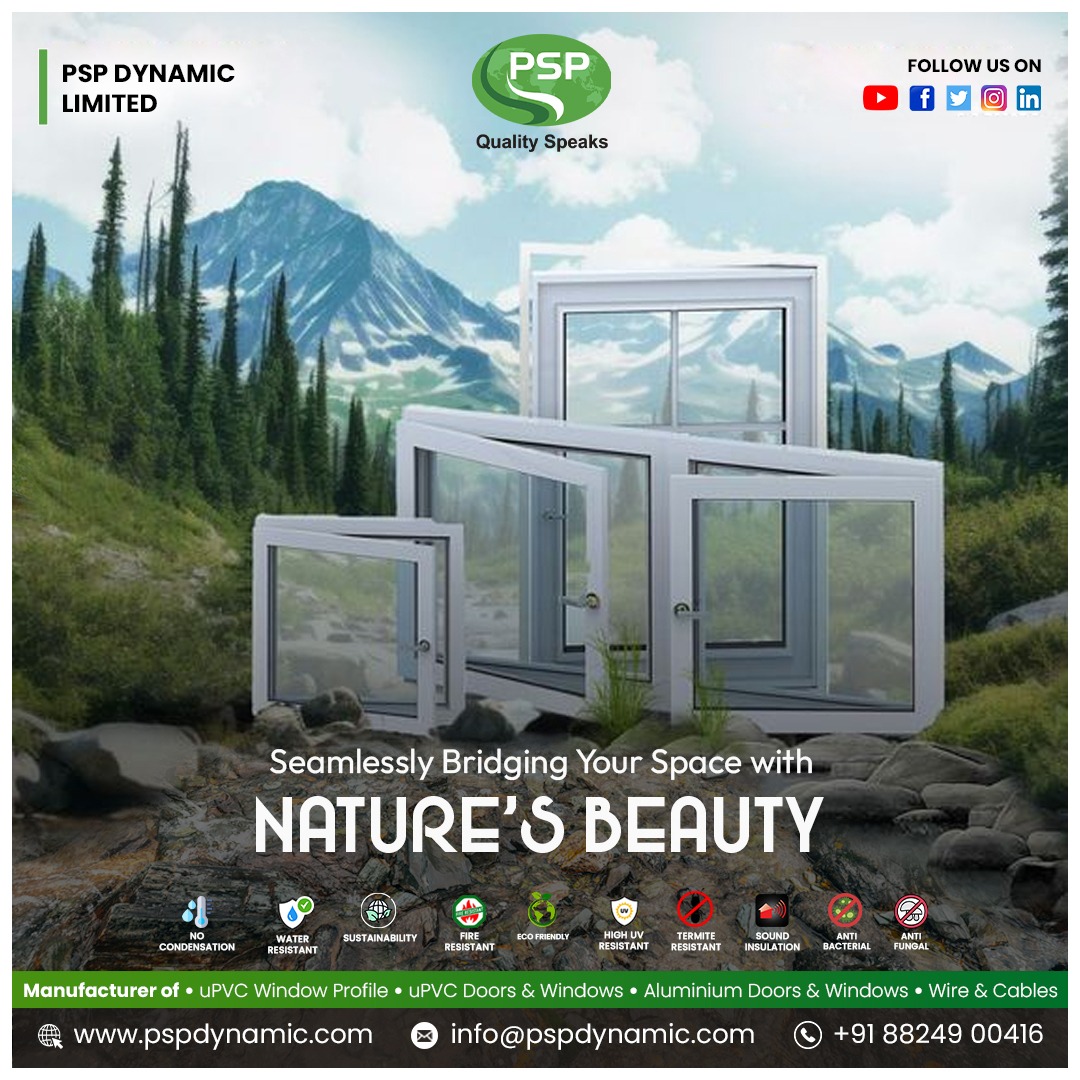
UPVC Profiles: The Future of Modern Window
2026-07-17Introduction
Windows have quietly shaped how homes and commercial spaces feel for generations, and the material behind the frame has always mattered more than most people realise. As Indian construction moves toward faster builds, higher energy costs, and unpredictable weather patterns, the humble window frame is undergoing a transformation. UPVC profiles have emerged as the material of choice for architects, builders, and homeowners who want performance without compromise. At PSP Dynamic, we manufacture UPVC window profiles engineered for Indian climatic conditions, and this blog walks through why this material is rewriting the rules of modern window design. From apartment complexes in Delhi NCR to independent homes in smaller towns, the shift toward UPVC reflects a broader change in how people think about long-term value, choosing frames that pay for themselves through reduced maintenance and energy costs rather than simply the lowest upfront price.
What Are UPVC Profiles and Why They Matter in Modern Construction
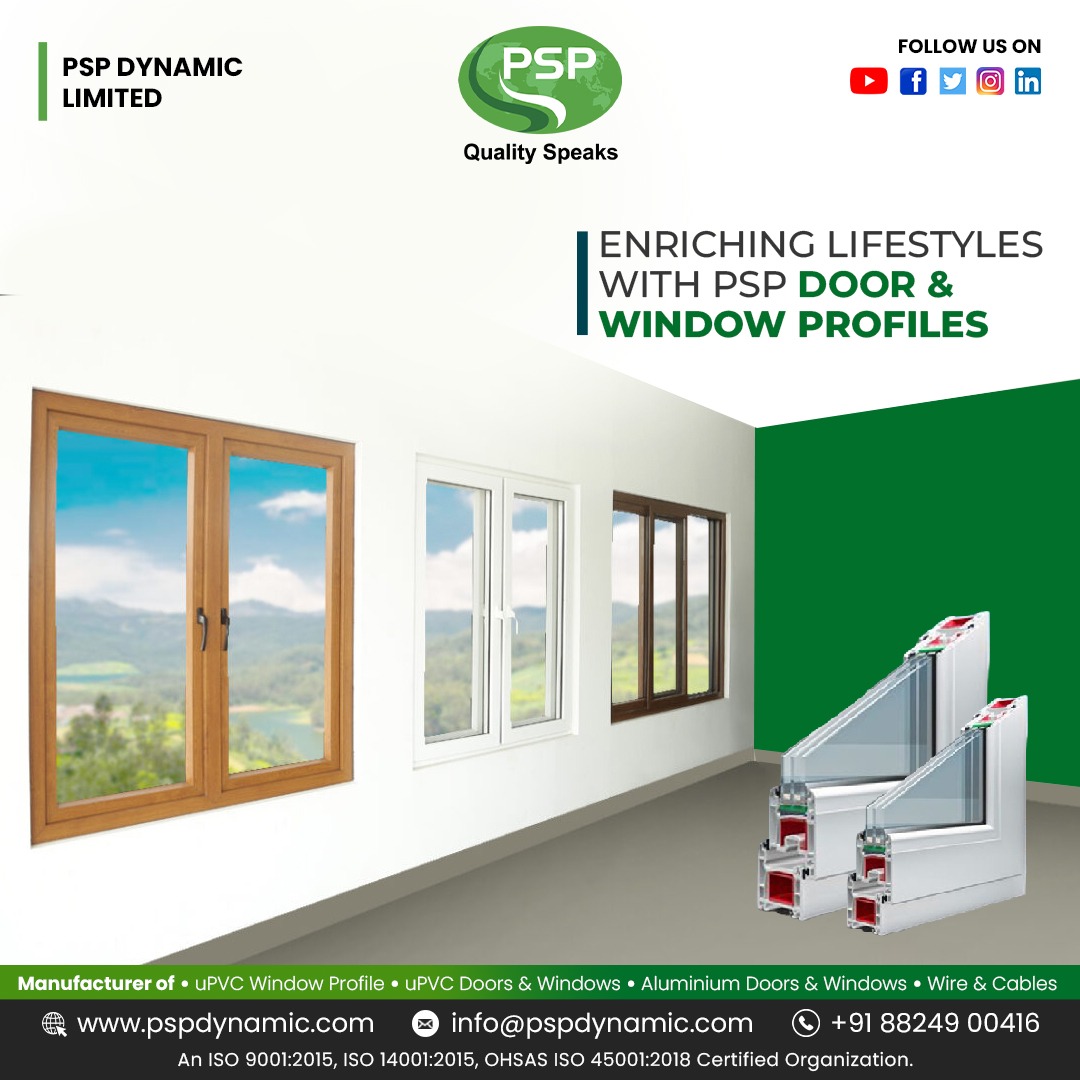
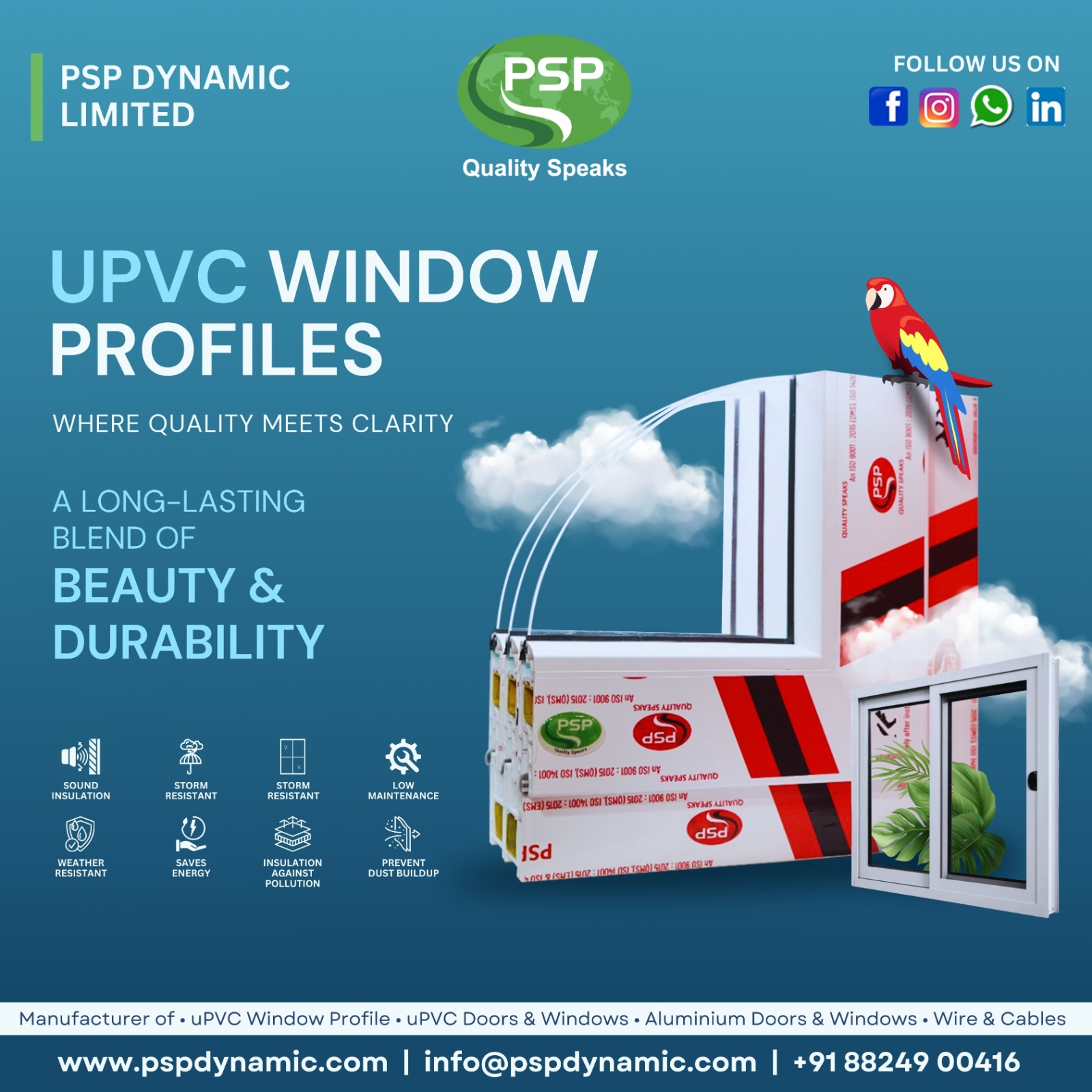
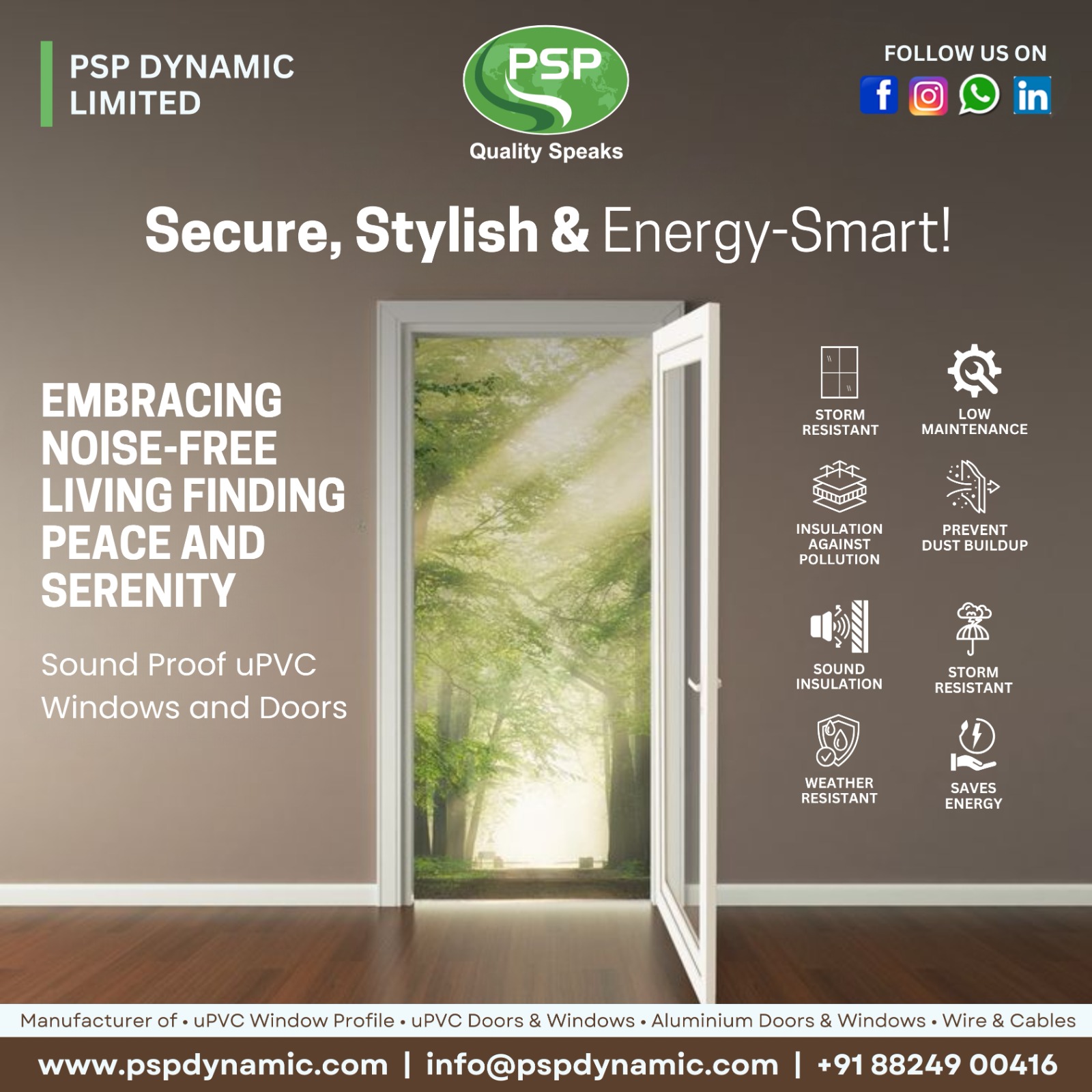
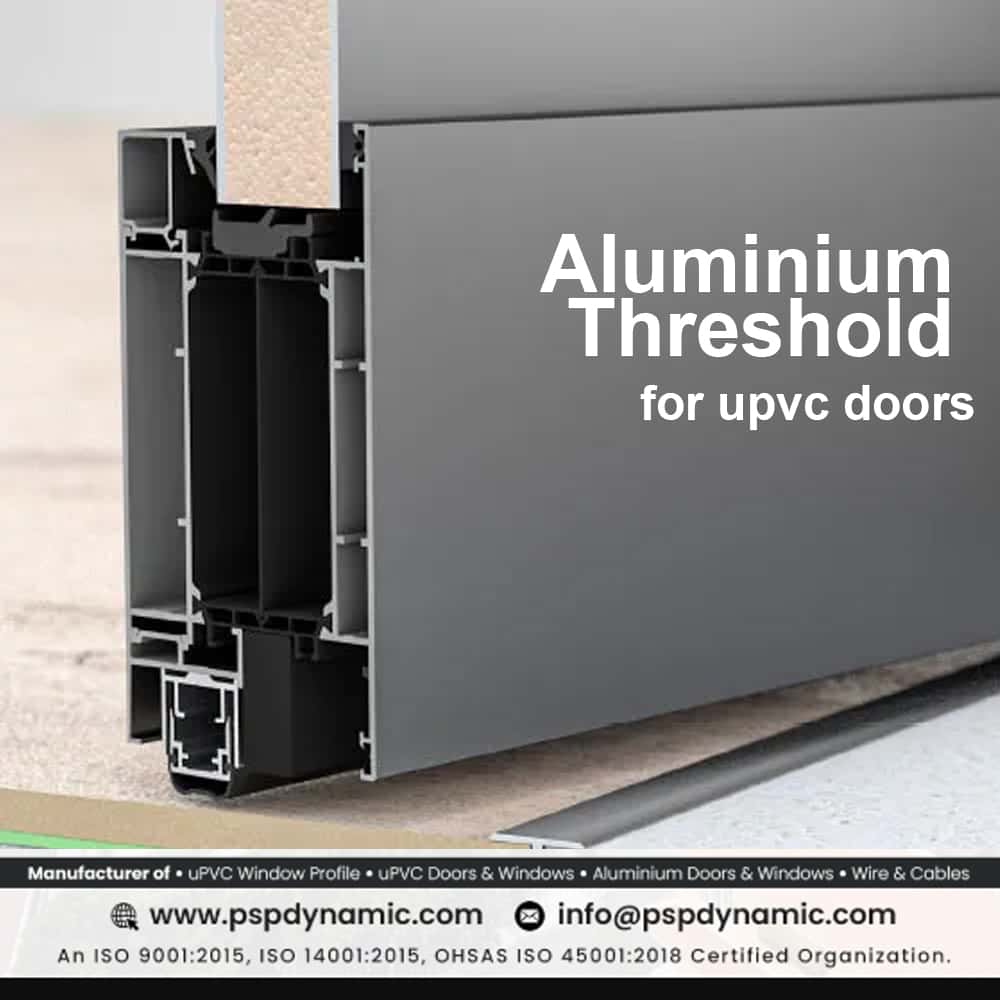
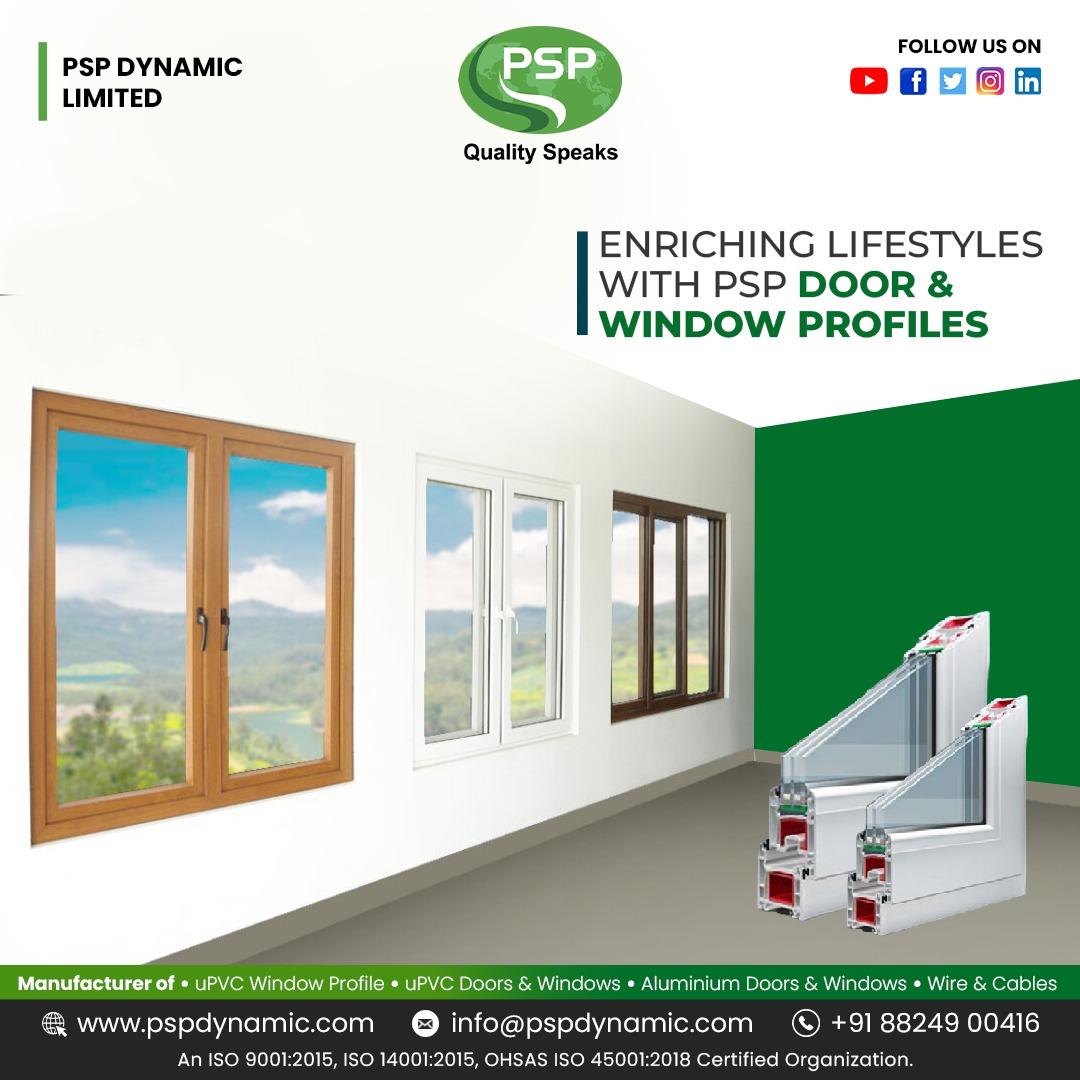
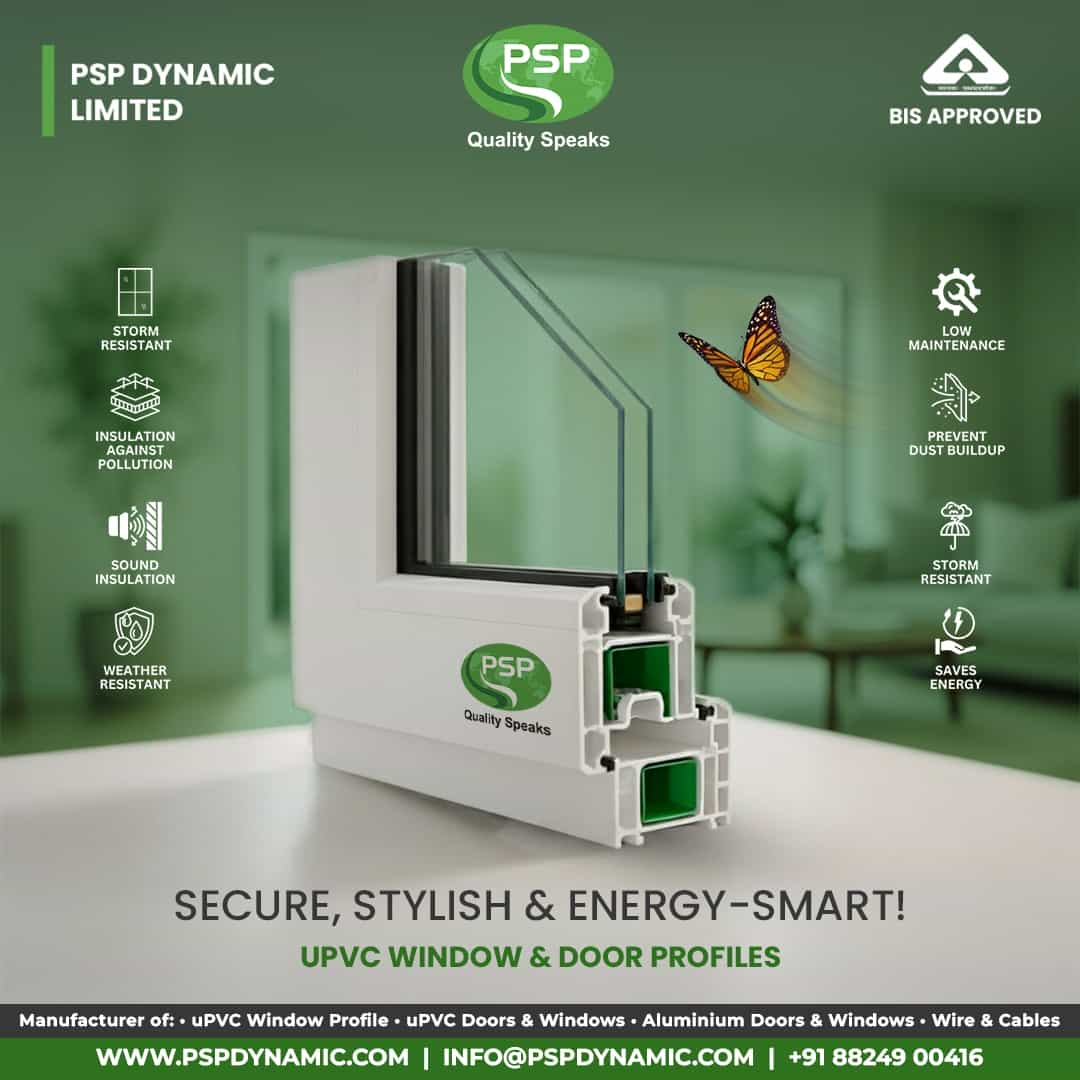
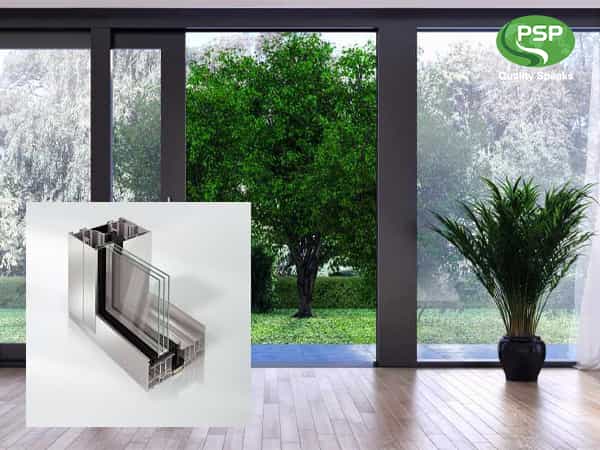
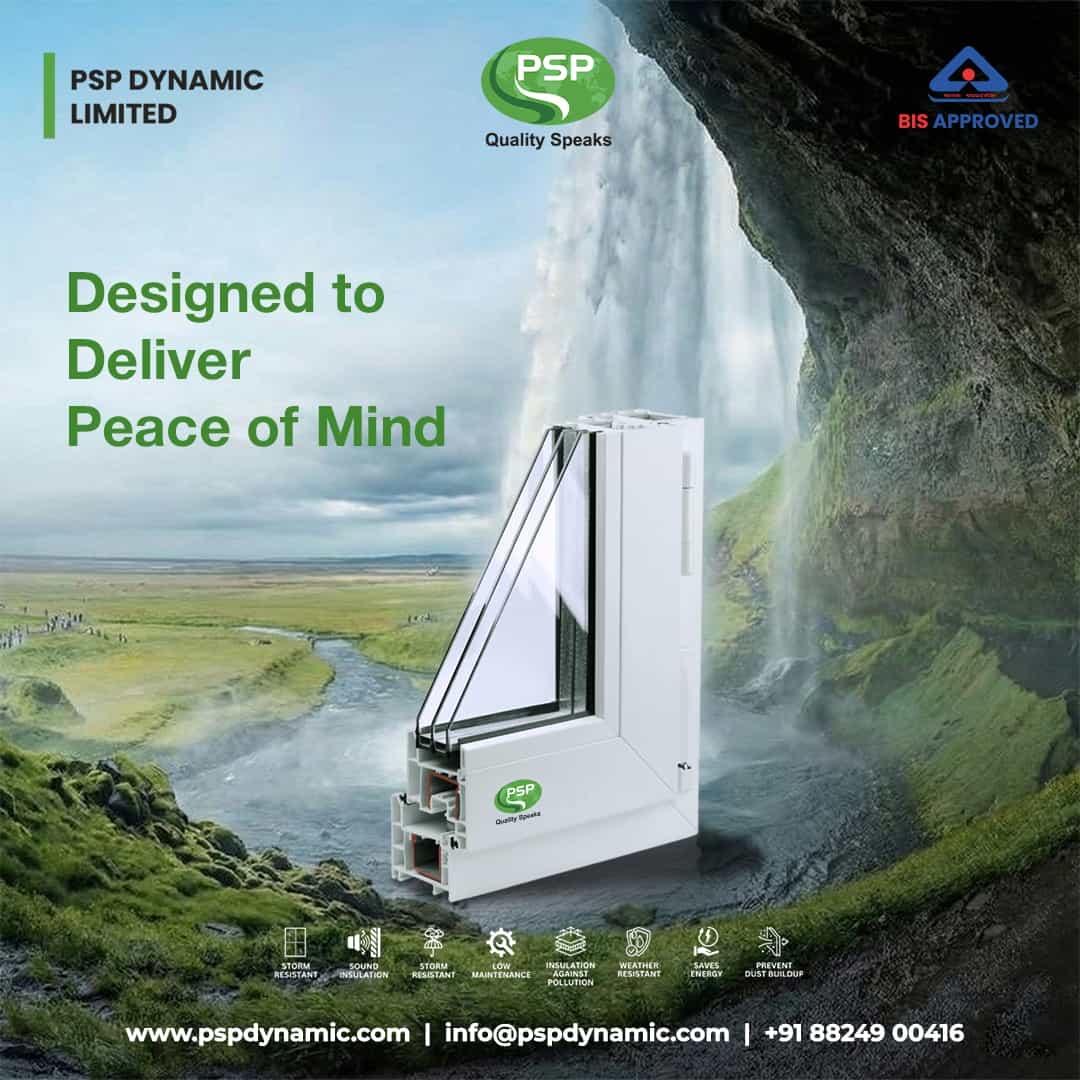
UPVC, or unplasticised polyvinyl chloride, is a rigid form of PVC that has been engineered specifically for construction applications where strength, weather resistance, and dimensional stability are non-negotiable. Unlike flexible PVC used in pipes or cables, UPVC profiles are extruded through a precision process that creates multi-chambered structures inside the frame. These internal chambers are not decorative; they trap air, reinforce the profile against warping, and allow steel reinforcement to be inserted where structural strength is needed. When architects and builders talk about the future of window systems, they are really talking about this shift away from wood and aluminium toward a material that solves problems those older materials could never fully address. Wood swells and rots with humidity, ordinary aluminium conducts heat and cold directly into a room, and both require constant upkeep. UPVC profiles were developed as a direct response to these limitations, and that is precisely why they have become central to how modern buildings are designed and specified.
The Evolution of Window Materials in Indian Architecture
Indian homes have traditionally relied on wood and mild steel for window frames, materials that made sense when construction techniques and climate expectations were simpler. As cities expanded and pollution, humidity, and temperature swings intensified, these older materials began showing their age far too quickly. Wooden frames warped during monsoon season, steel frames rusted near coastal regions, and both demanded frequent repainting and repair. Aluminium entered the market as a lighter, more modern alternative, but it brought its own drawback of poor thermal insulation, which meant rooms stayed hotter in summer and colder in winter than residents would like. UPVC profiles arrived in India roughly two decades ago and have steadily gained ground because they were designed from the outset to handle exactly the conditions that Indian buildings face. Today, UPVC window profile adoption spans everything from budget apartments in Tier 2 cities to premium villas in metro areas, a shift that reflects how thoroughly this material has proven itself across diverse climates and construction styles.
Key Advantages of UPVC Profiles Over Traditional Materials
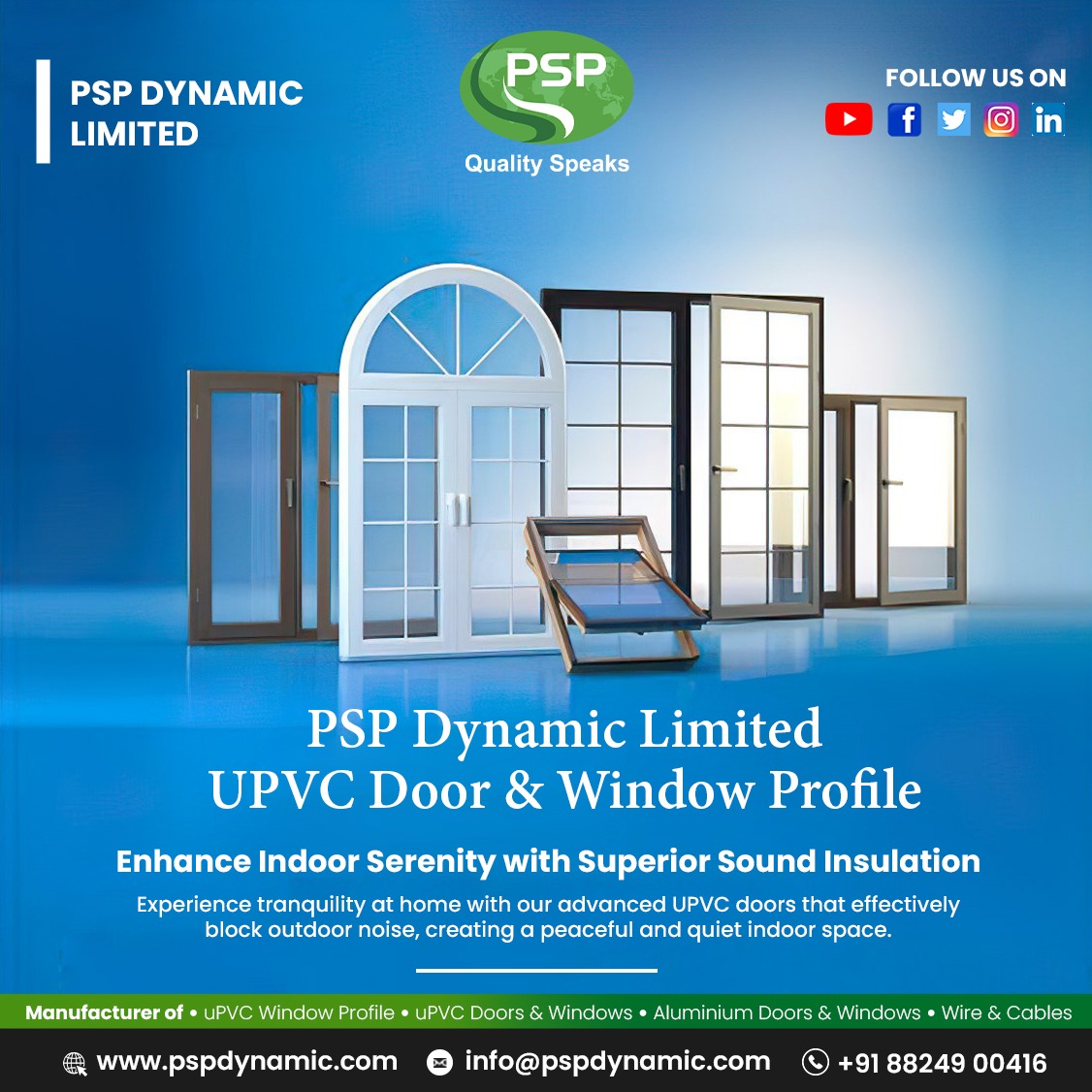
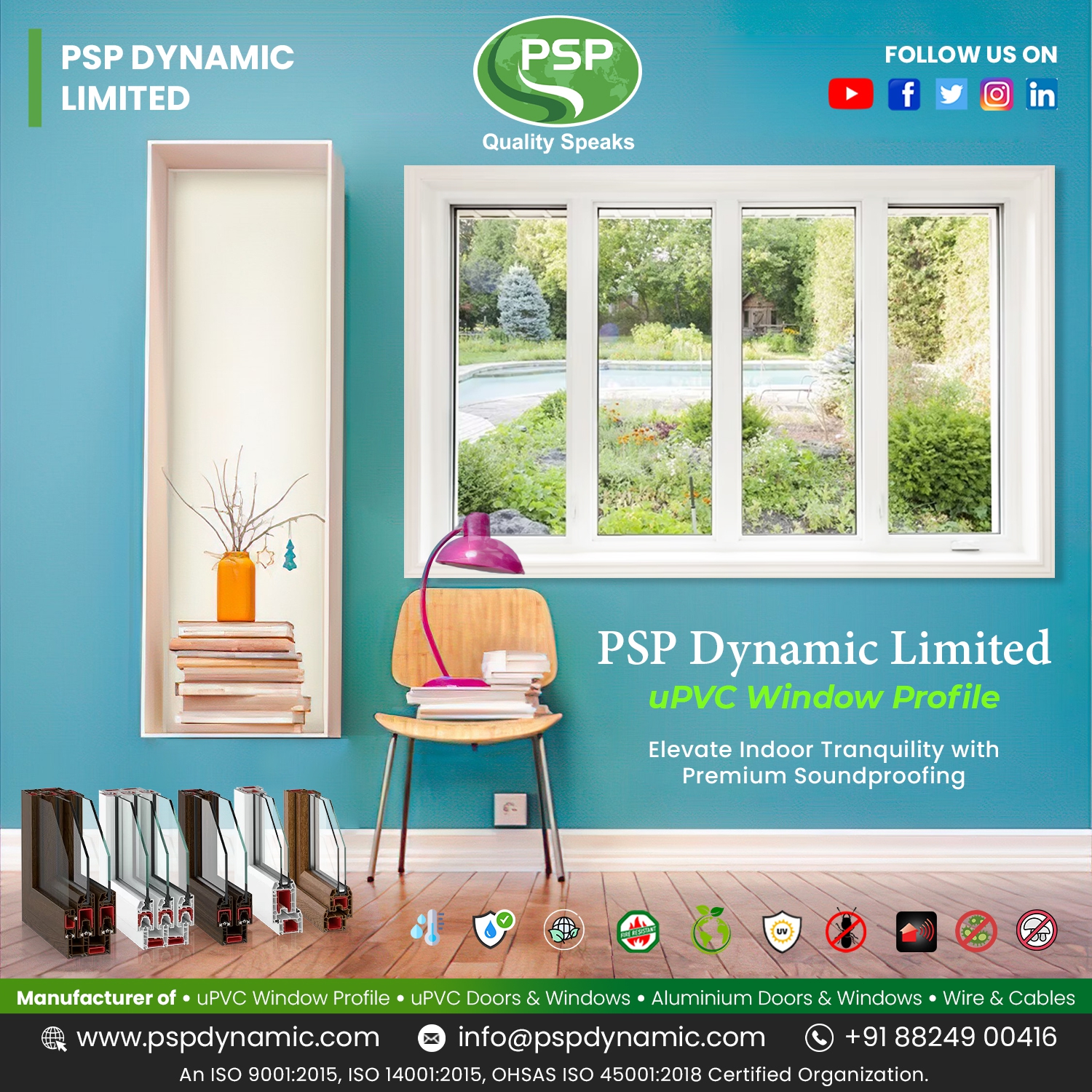
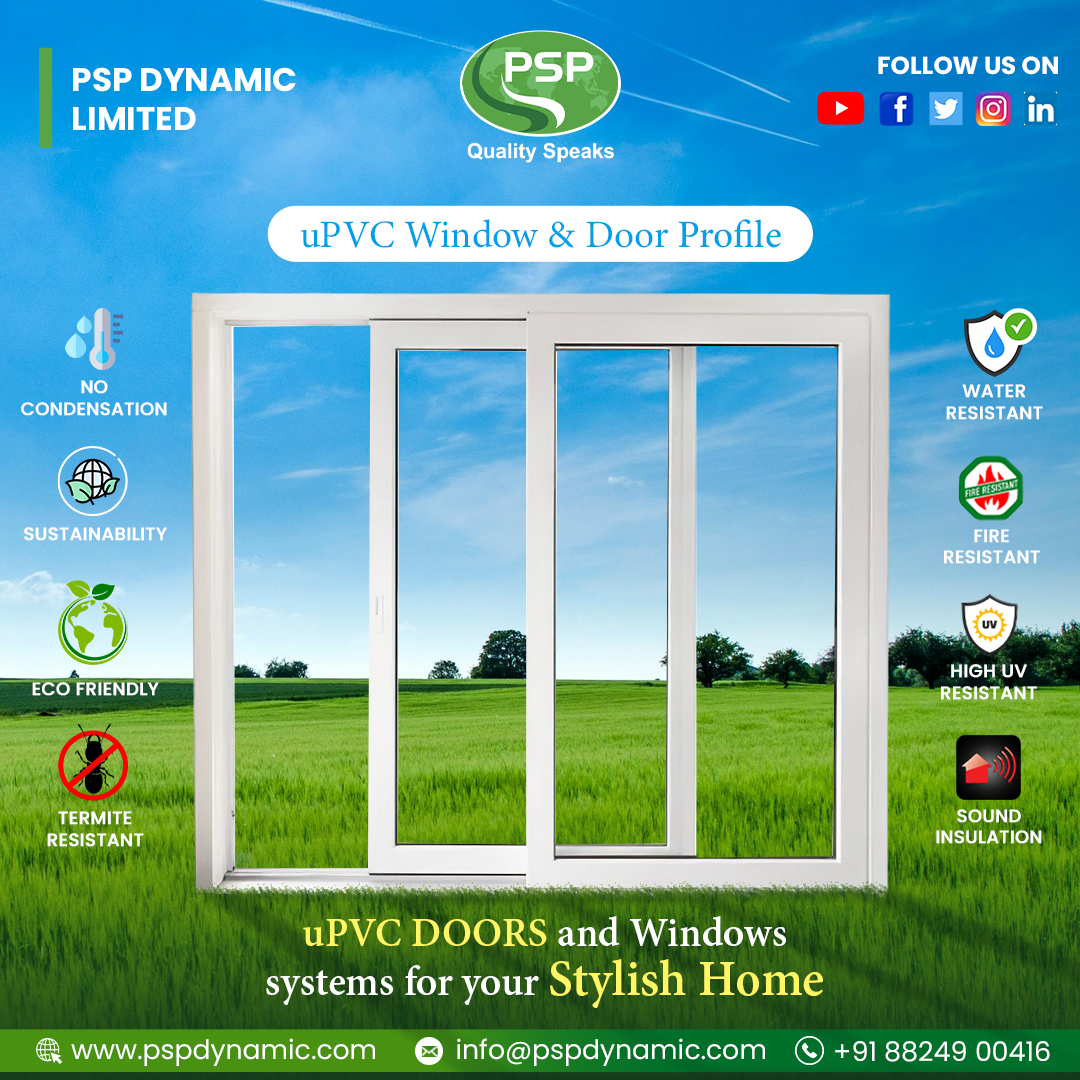
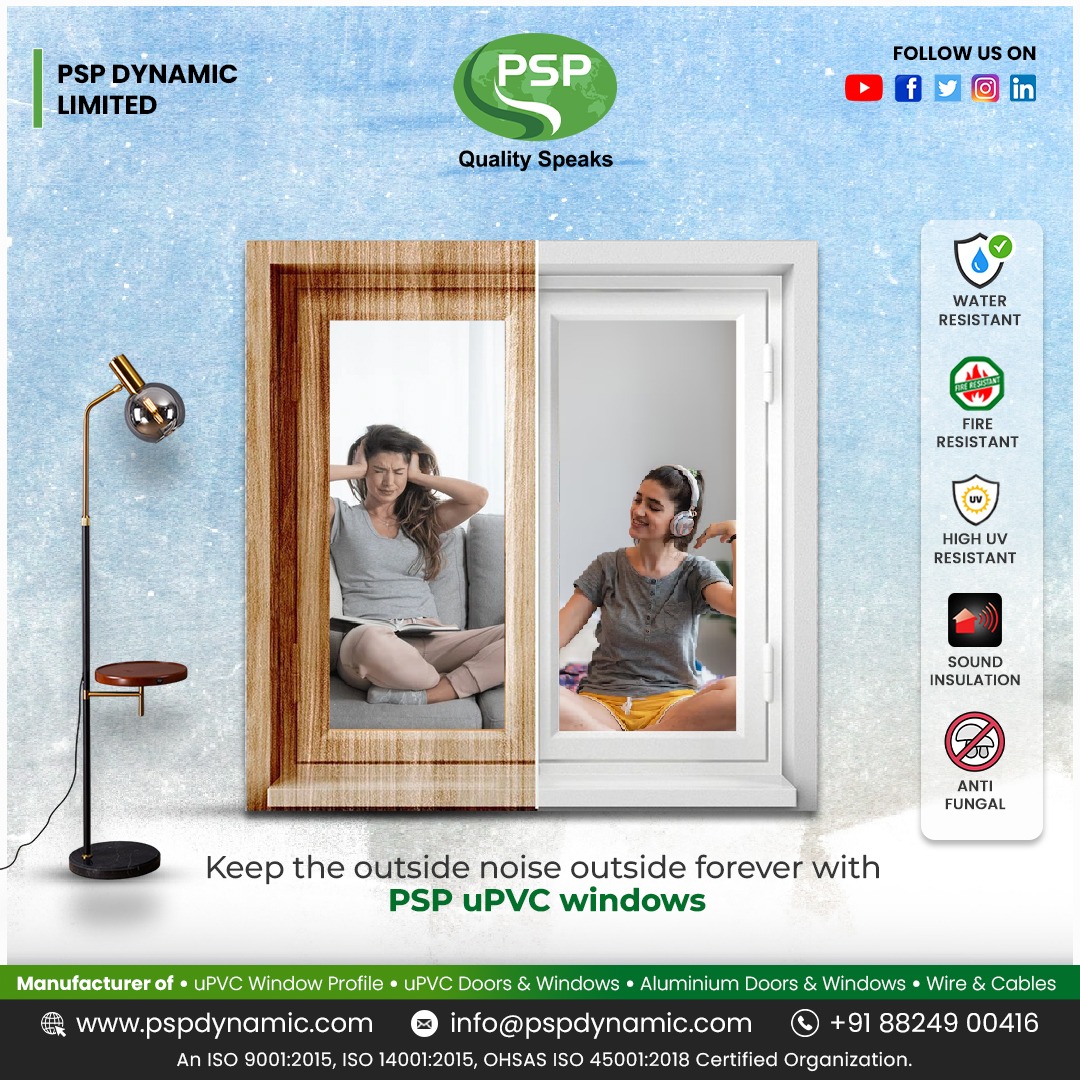
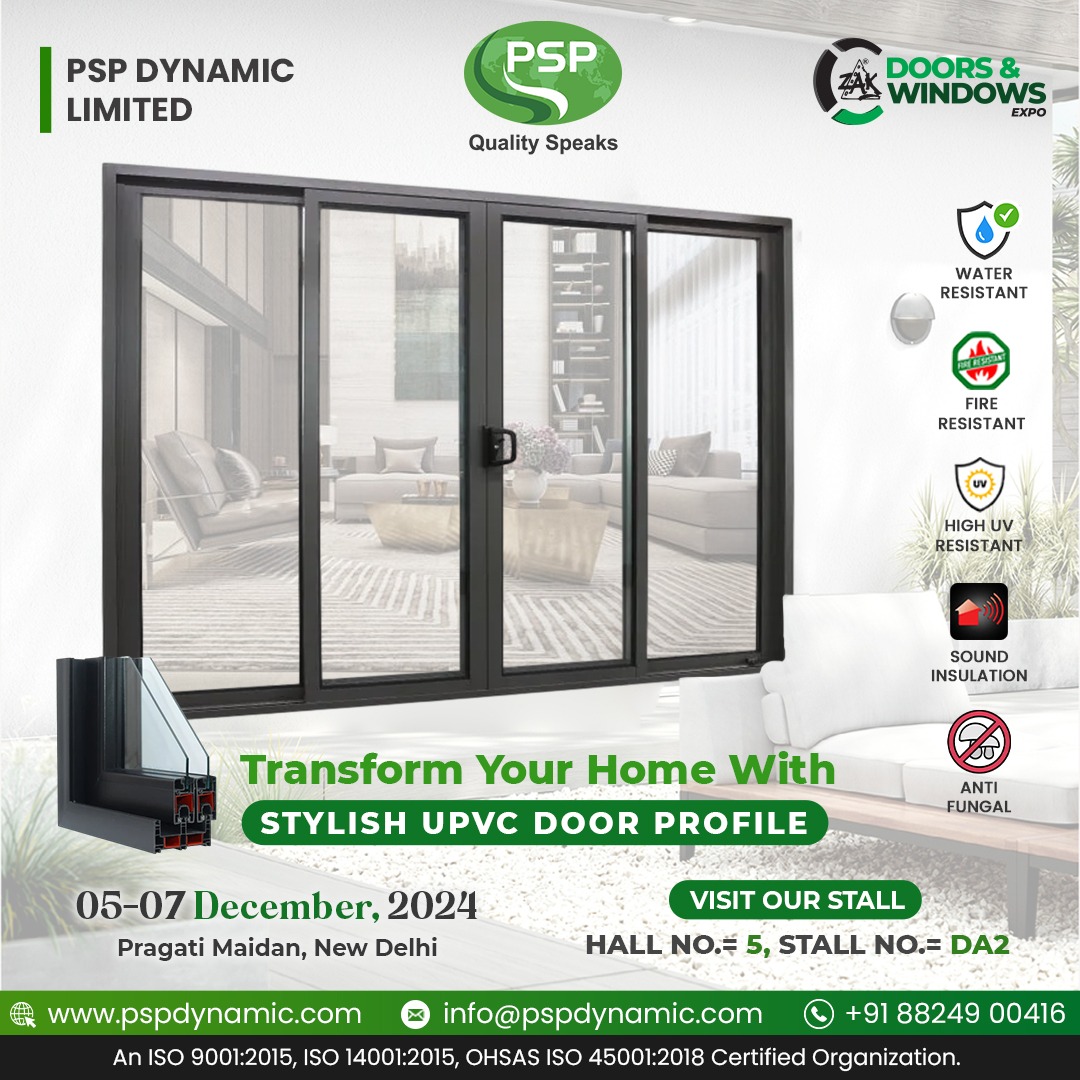
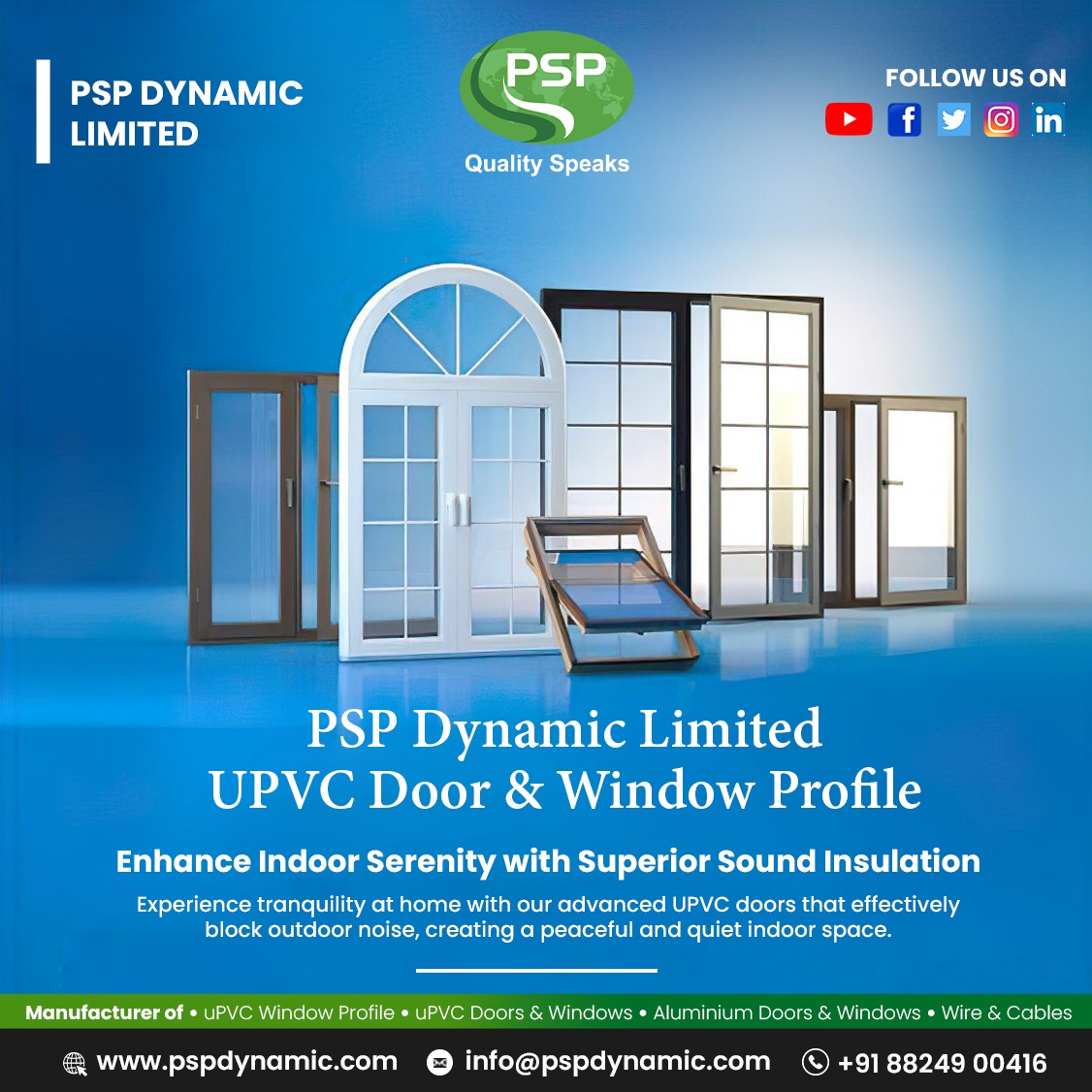
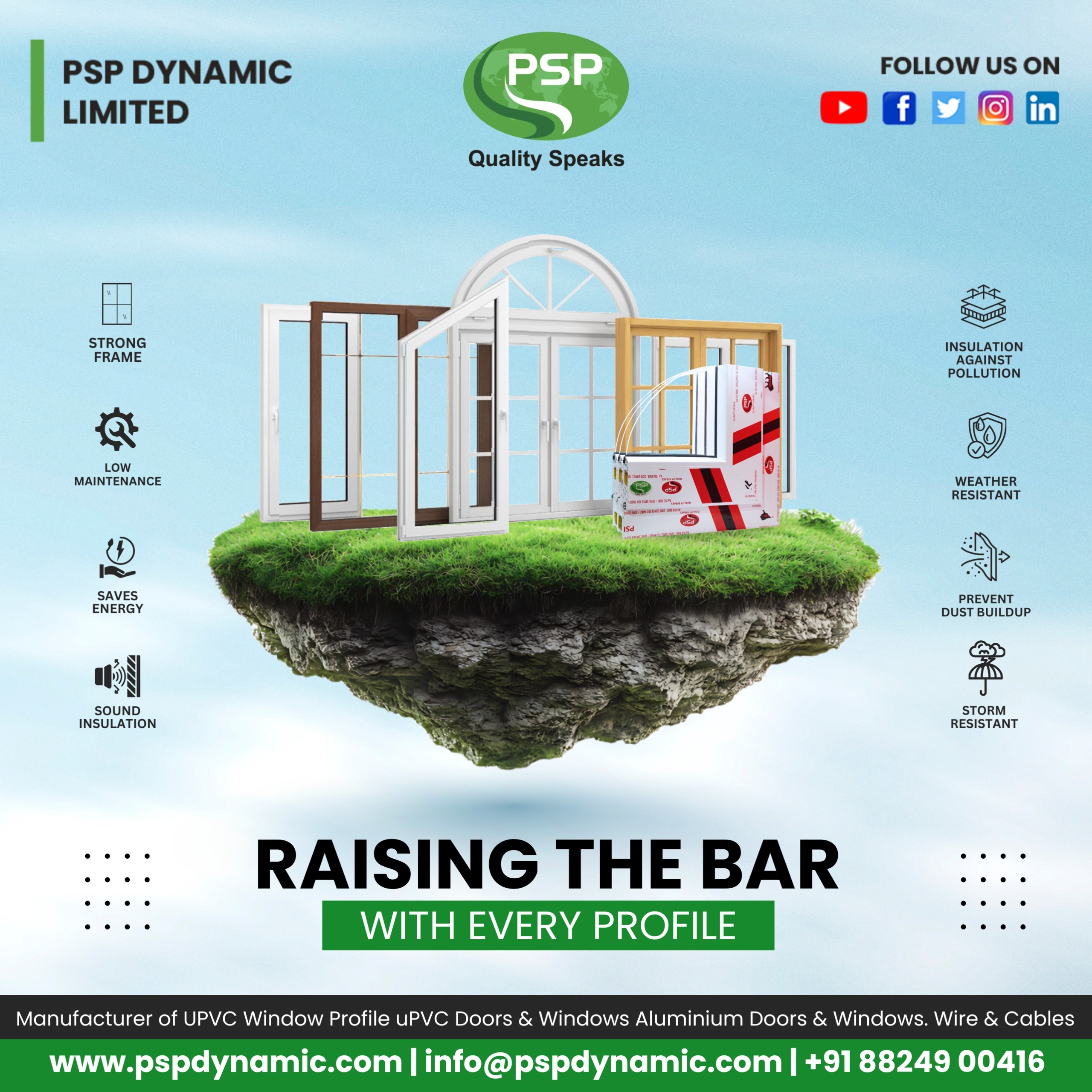
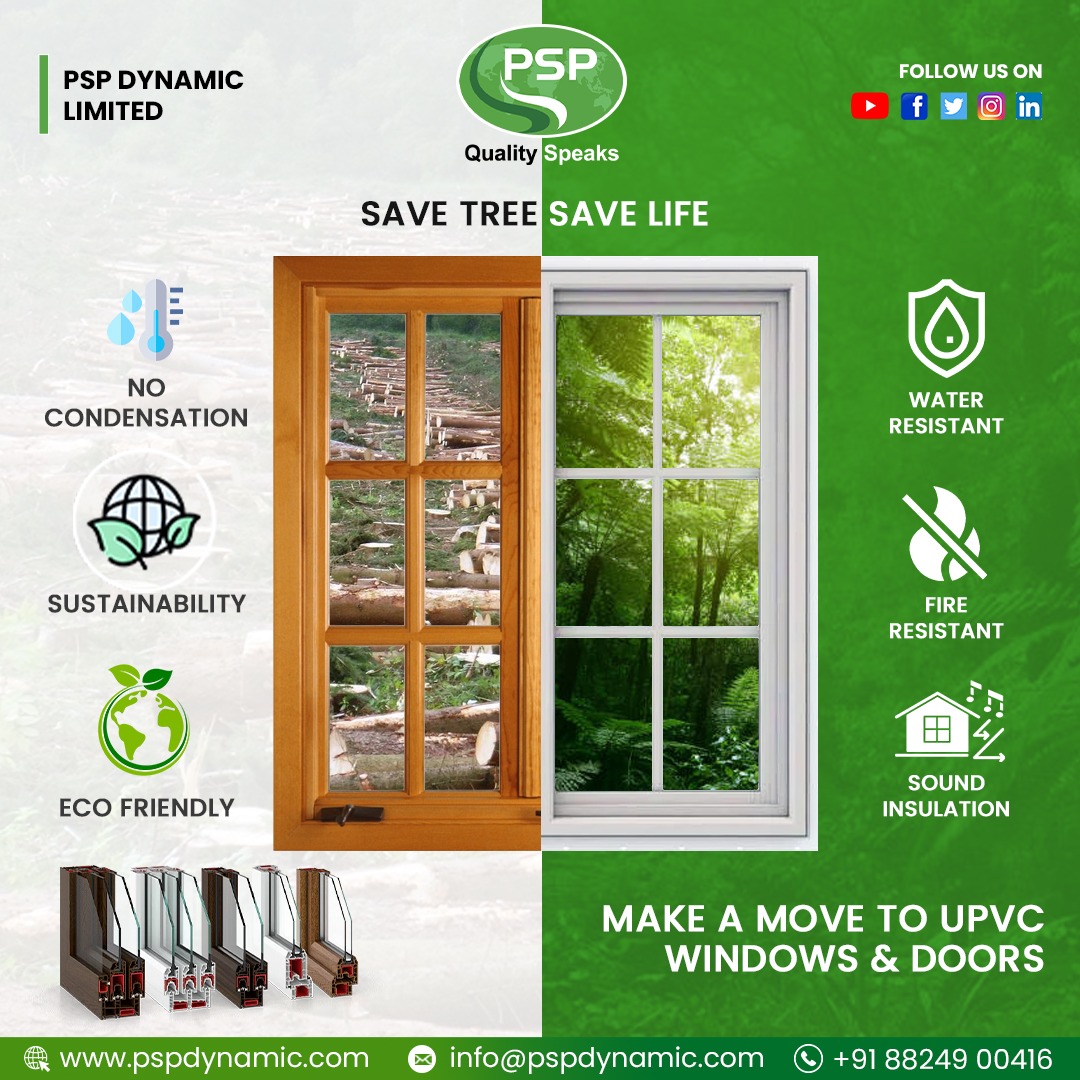
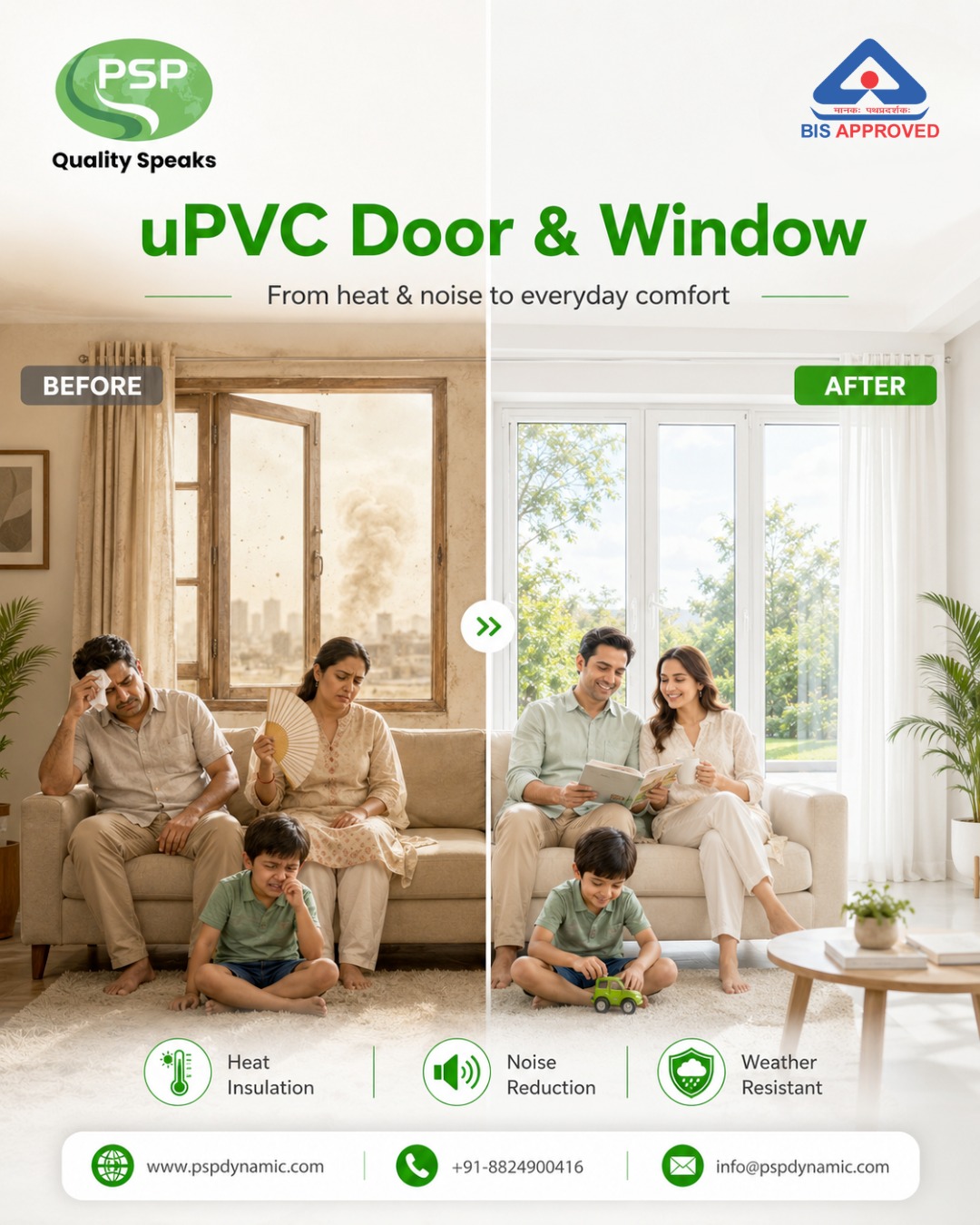
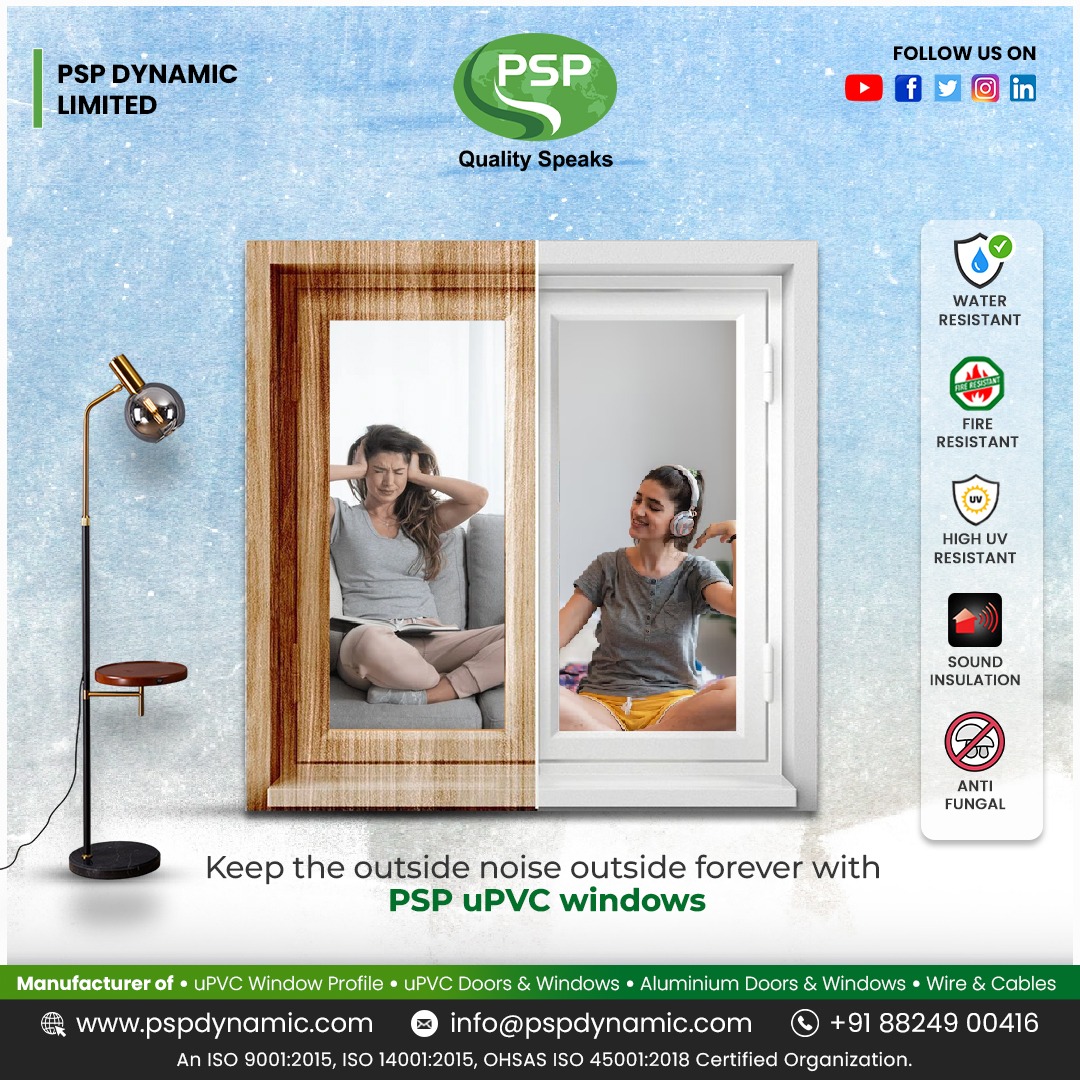
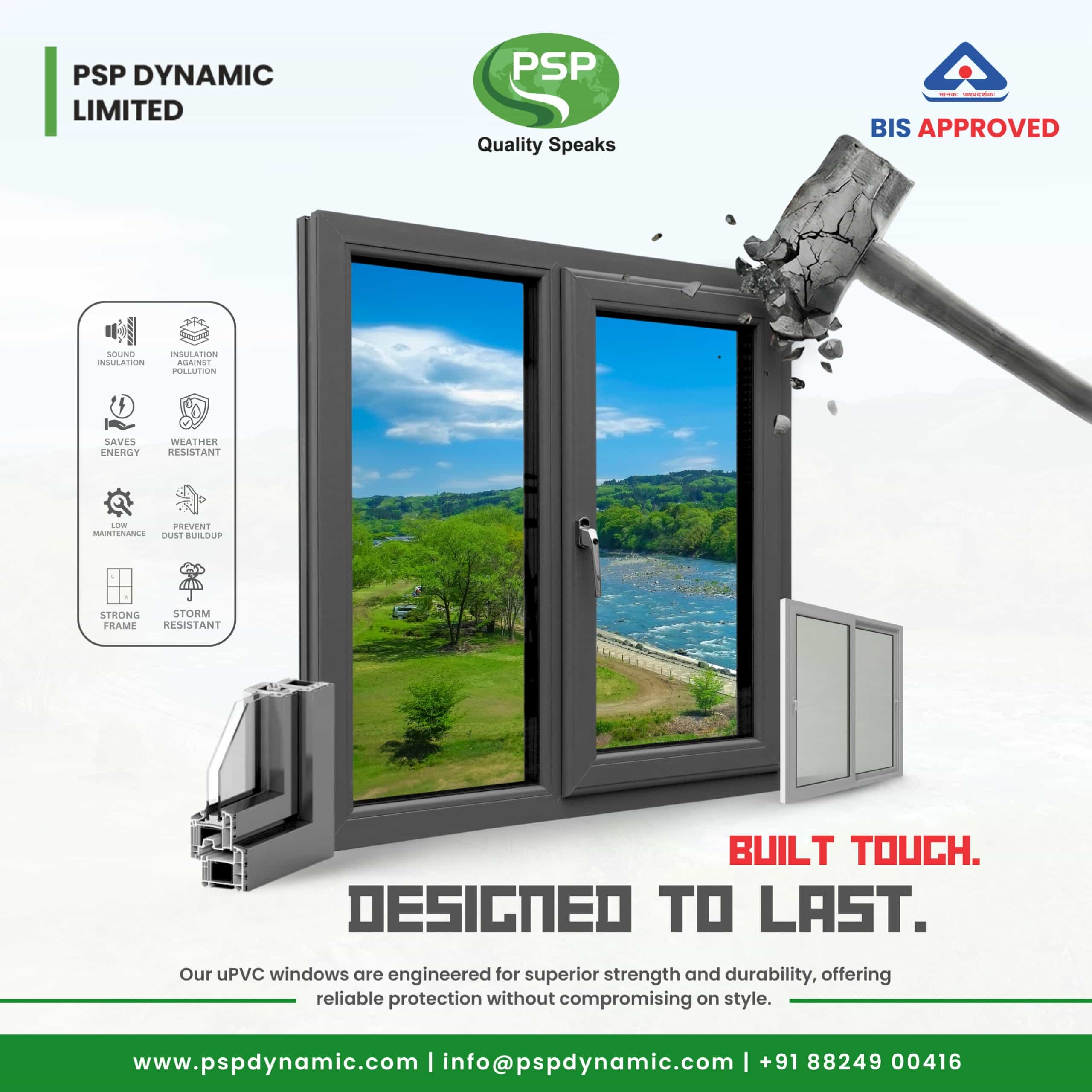
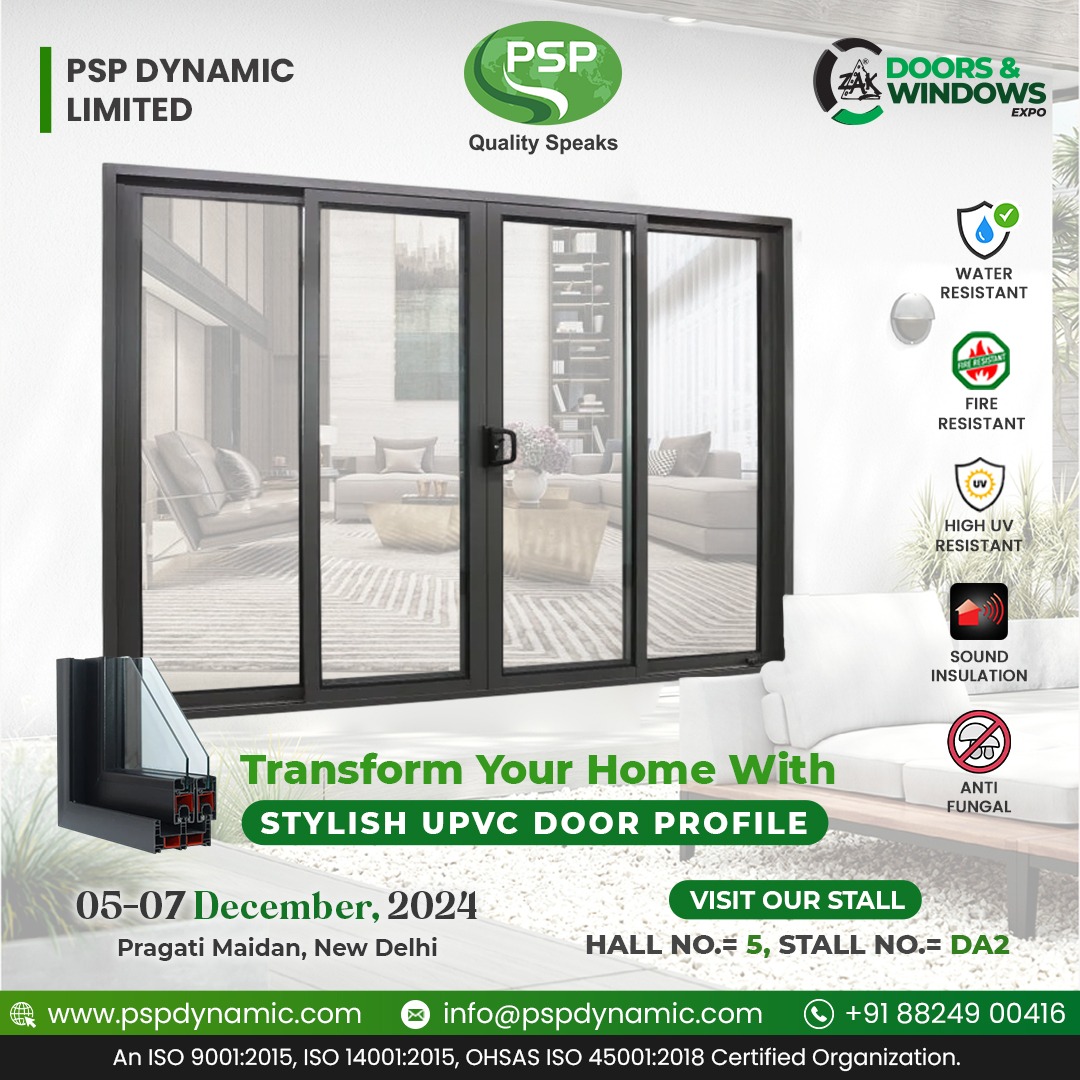
The appeal of UPVC profiles becomes obvious the moment you compare their real-world performance against wood, steel, or standard aluminium. UPVC does not rust, corrode, or rot, which immediately eliminates one of the biggest long-term costs associated with traditional window materials. The multi-chambered profile design also gives UPVC windows excellent structural rigidity despite being lightweight, which makes installation faster and reduces stress on the surrounding wall structure. Sound insulation is another area where UPVC profiles consistently outperform older materials, since the sealed chamber design and precision-fitted gaskets significantly reduce external noise, a genuine benefit for homes near busy roads or commercial zones. Fire resistance is built into the material itself, as UPVC is self-extinguishing and does not support combustion the way wood does. Termite resistance removes a concern that has plagued wooden frames in Indian homes for decades, and anti-bacterial, anti-fungal properties keep frames hygienic even in humid coastal or monsoon-heavy regions. Taken together, these advantages explain why architects increasingly specify UPVC profiles as the default choice rather than treating them as a premium upgrade.
Energy Efficiency and Sustainability Benefits of UPVC Windows
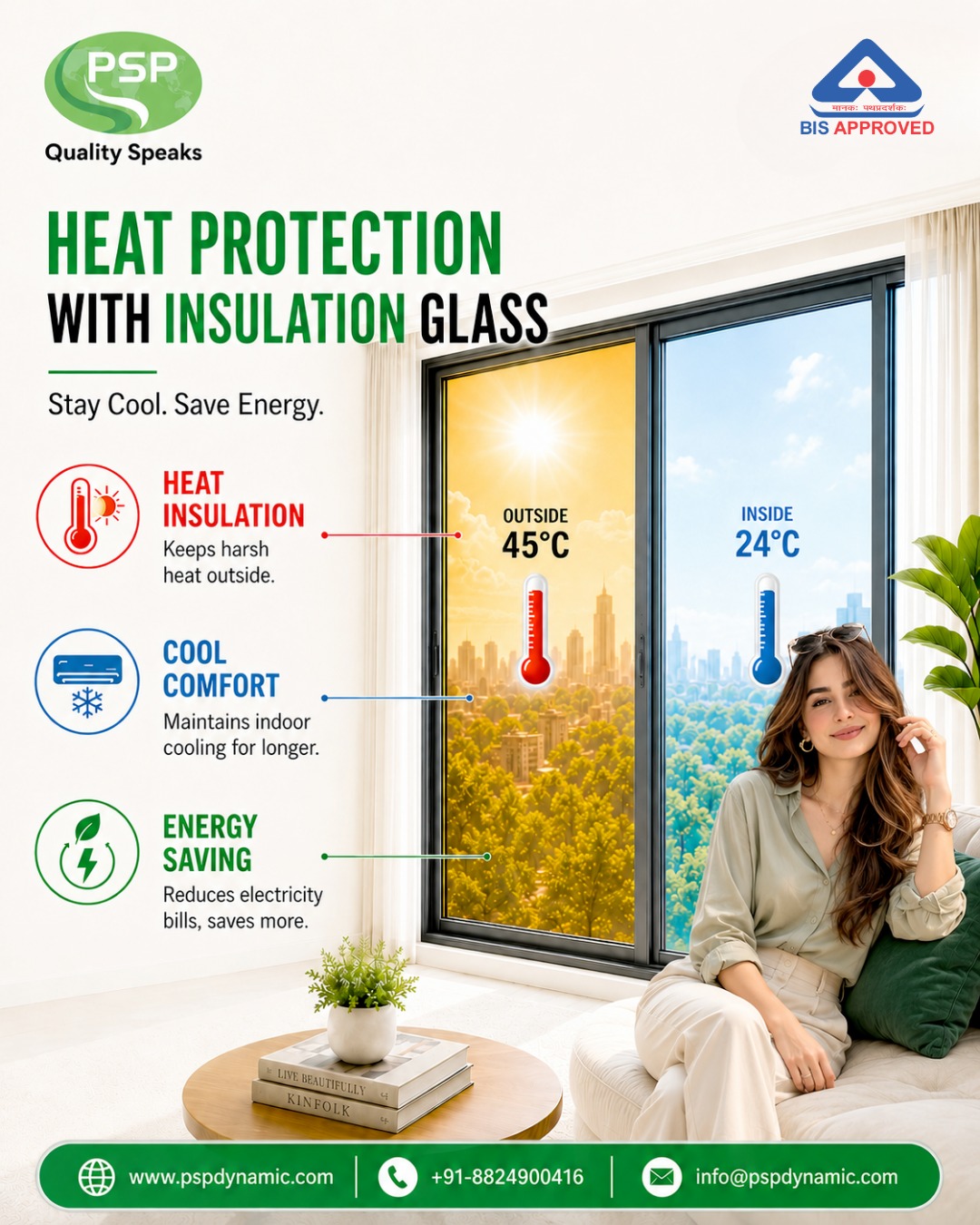
Rising electricity costs and growing environmental awareness have pushed energy efficiency to the top of the list when Indian homeowners choose window materials, and UPVC profiles deliver in ways that other materials simply cannot match. The multi-chambered structure inside every UPVC profile acts as a thermal barrier, slowing the transfer of heat between the interior and exterior of a building far more effectively than aluminium or single-layer wood. This means rooms fitted with UPVC windows stay cooler during the peak of Indian summers and retain warmth better during winter months, which directly translates into lower air conditioning and heating bills over the life of the building. Beyond thermal performance, UPVC is also a more sustainable material choice than many people initially assume, since it is fully recyclable and manufacturing it consumes less energy than processing aluminium or harvesting and treating timber. Buildings pursuing green certifications increasingly list UPVC window profiles as a contributing factor, because the combination of energy savings and recyclability aligns directly with sustainability goals that developers and homeowners are now expected to meet.
Durability, Maintenance, and Weather Resistance
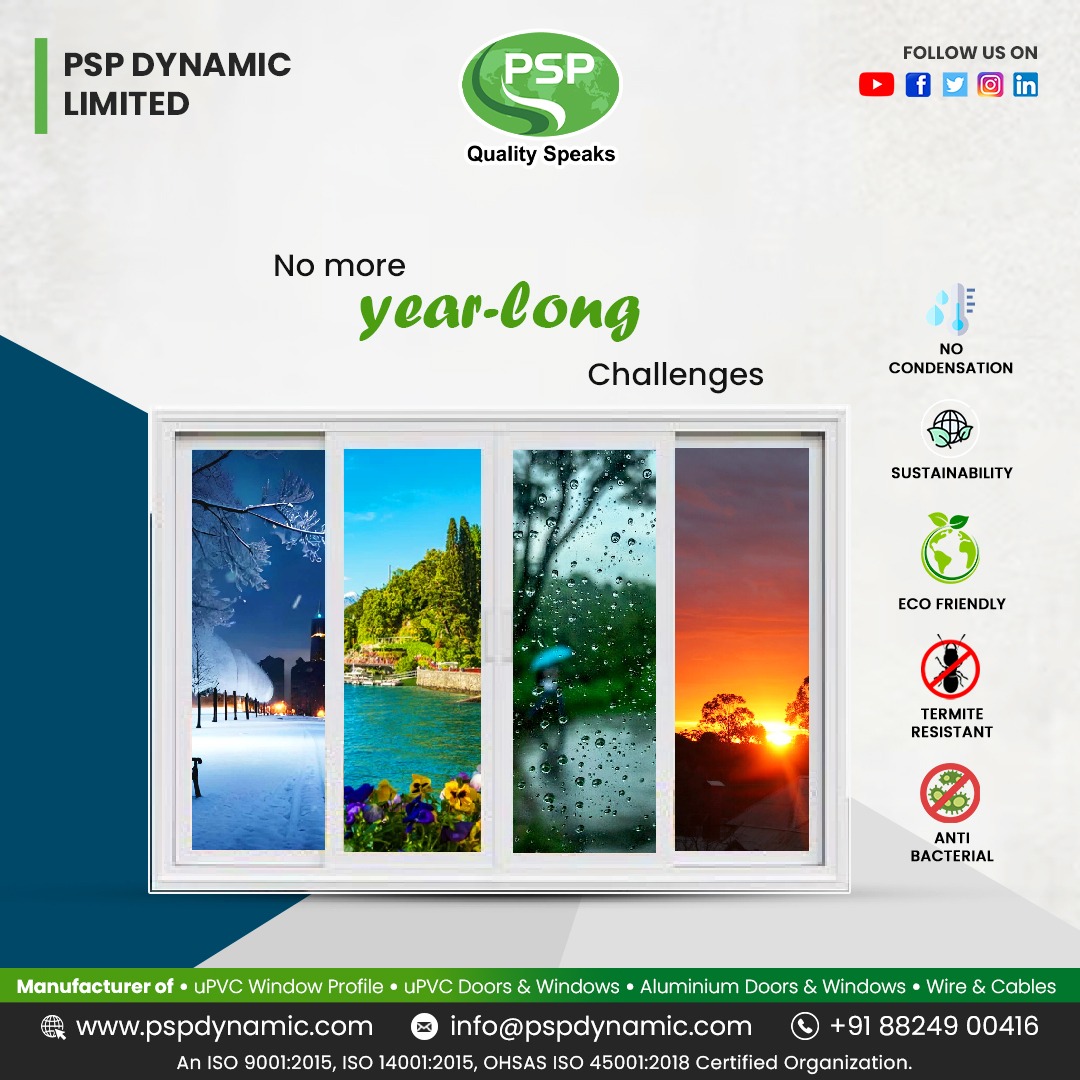
One of the most compelling reasons UPVC profiles are considered the future of modern windows is how little they demand from homeowners after installation. Traditional wooden frames need regular sanding, repainting, and treatment against moisture and pests, while steel frames require anti-rust coatings reapplied every few years. UPVC profiles, by contrast, need nothing more than an occasional wipe with a damp cloth to stay looking new. The material's resistance to UV radiation prevents the yellowing and brittleness that can affect lower-quality plastics over time, and high-grade UPVC formulations used by established manufacturers are engineered to withstand decades of direct sun exposure without warping or fading. Water resistance is equally strong, with sealed joints and precision-engineered drainage systems ensuring that monsoon rains do not seep into the frame or surrounding wall structure. No condensation build-up, resistance to extreme temperature fluctuations, and a structural design that will not crack or split under thermal stress all combine to give UPVC window profiles a service life that regularly exceeds twenty-five years with essentially zero maintenance investment required from the owner.
Aesthetic Versatility and Design Flexibility
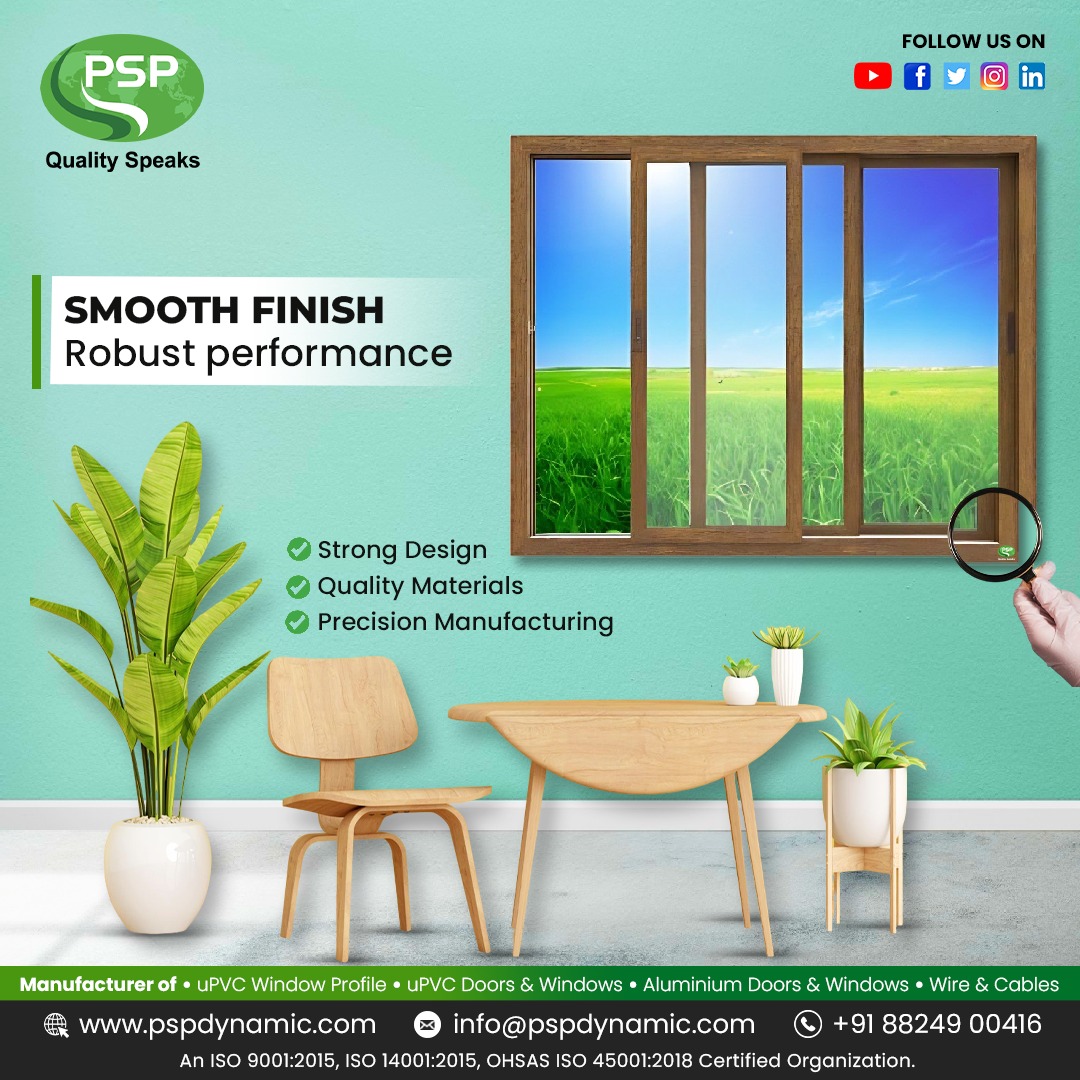
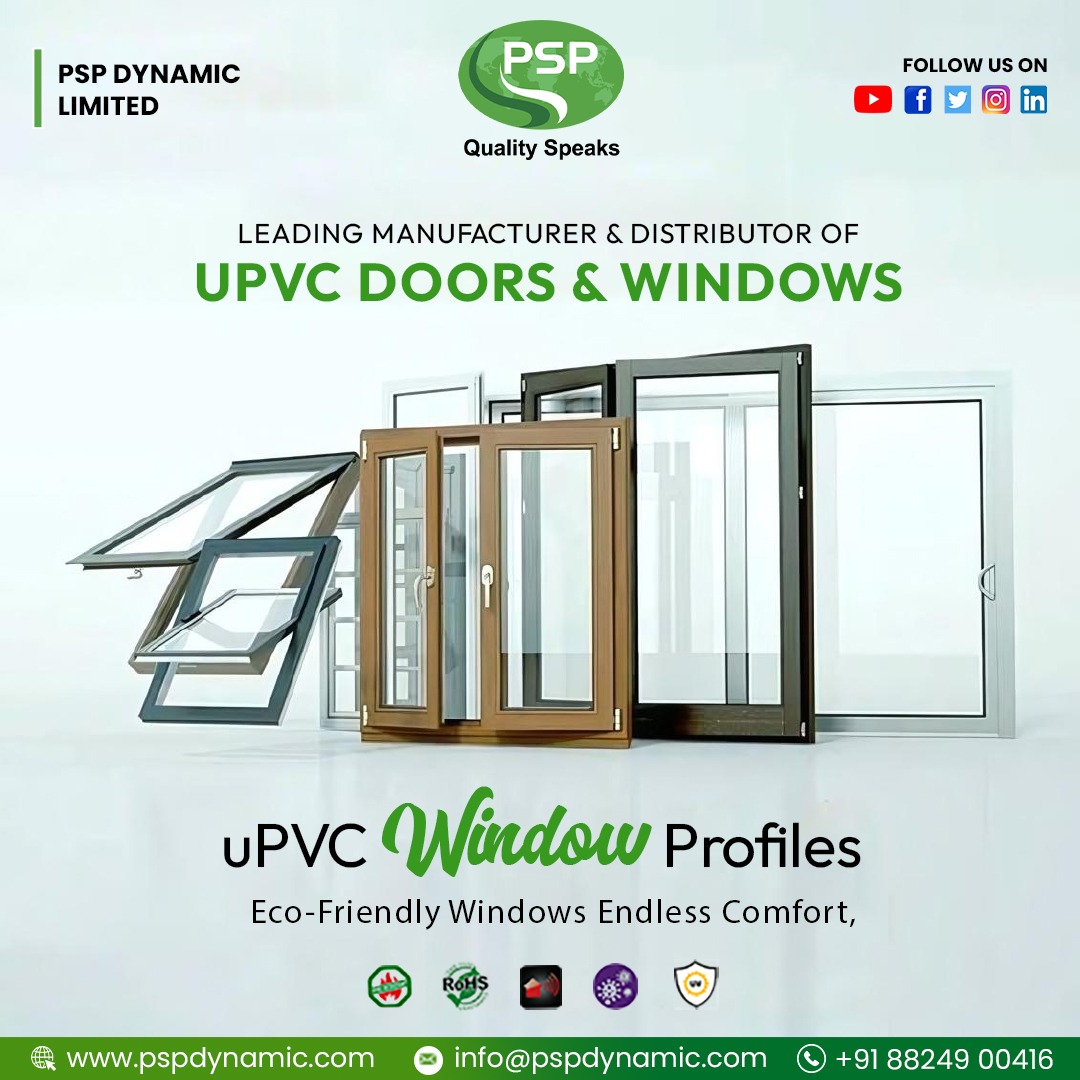
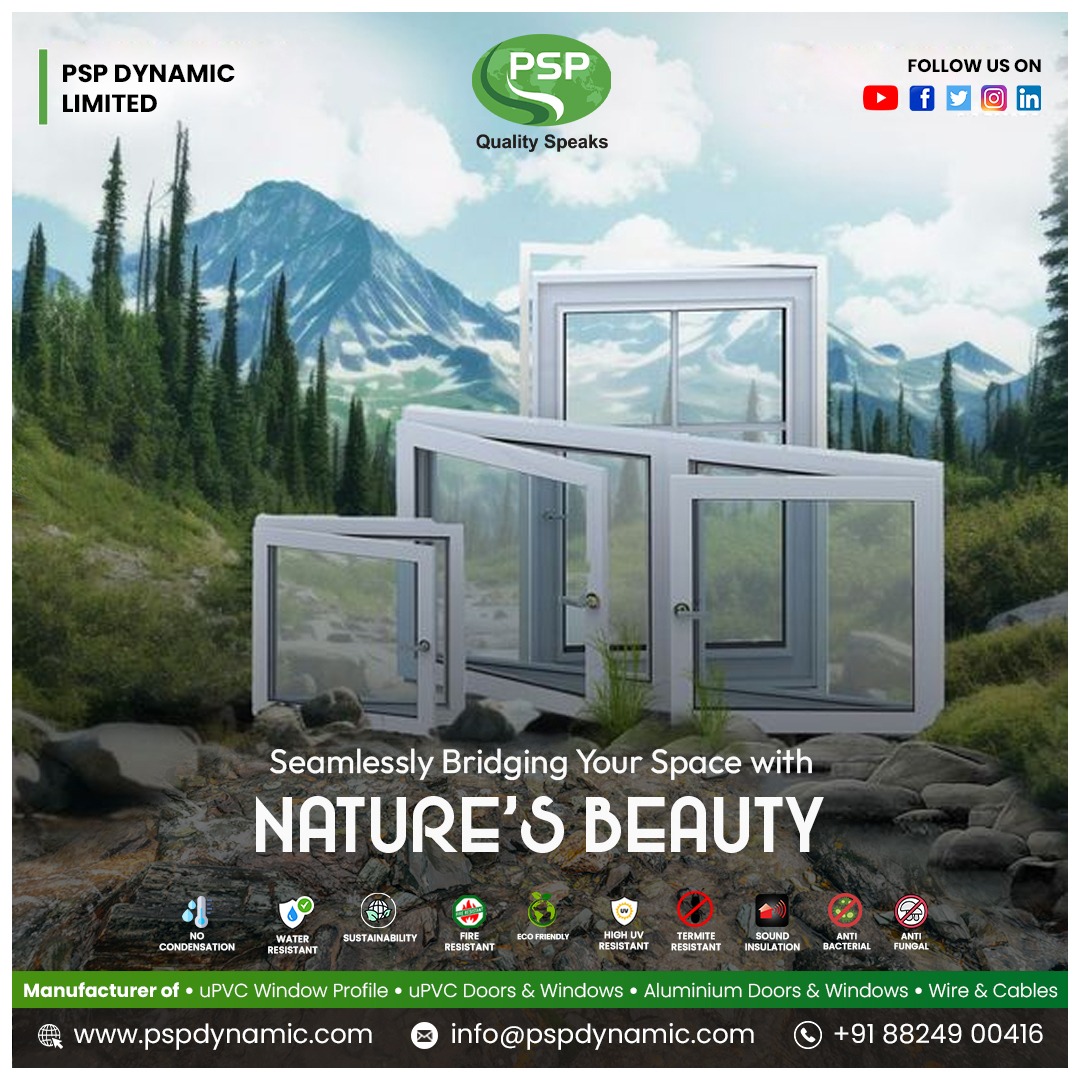
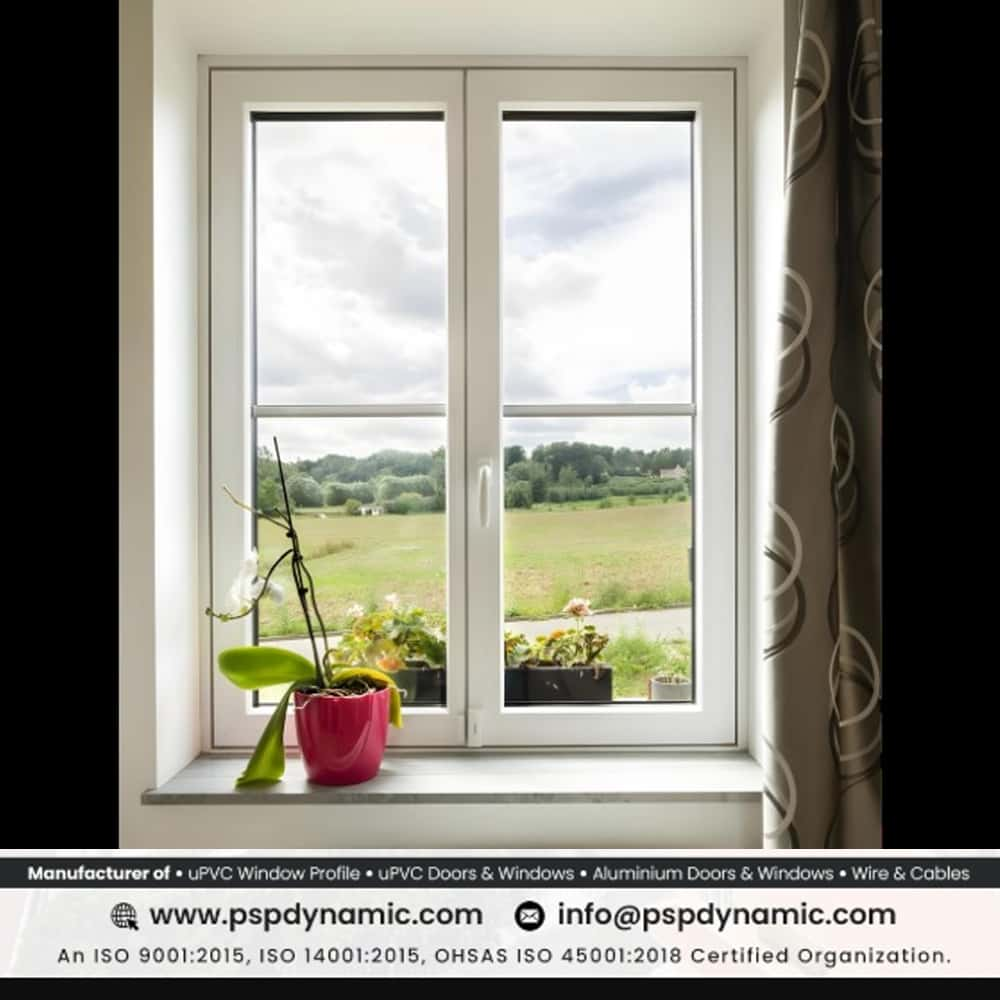
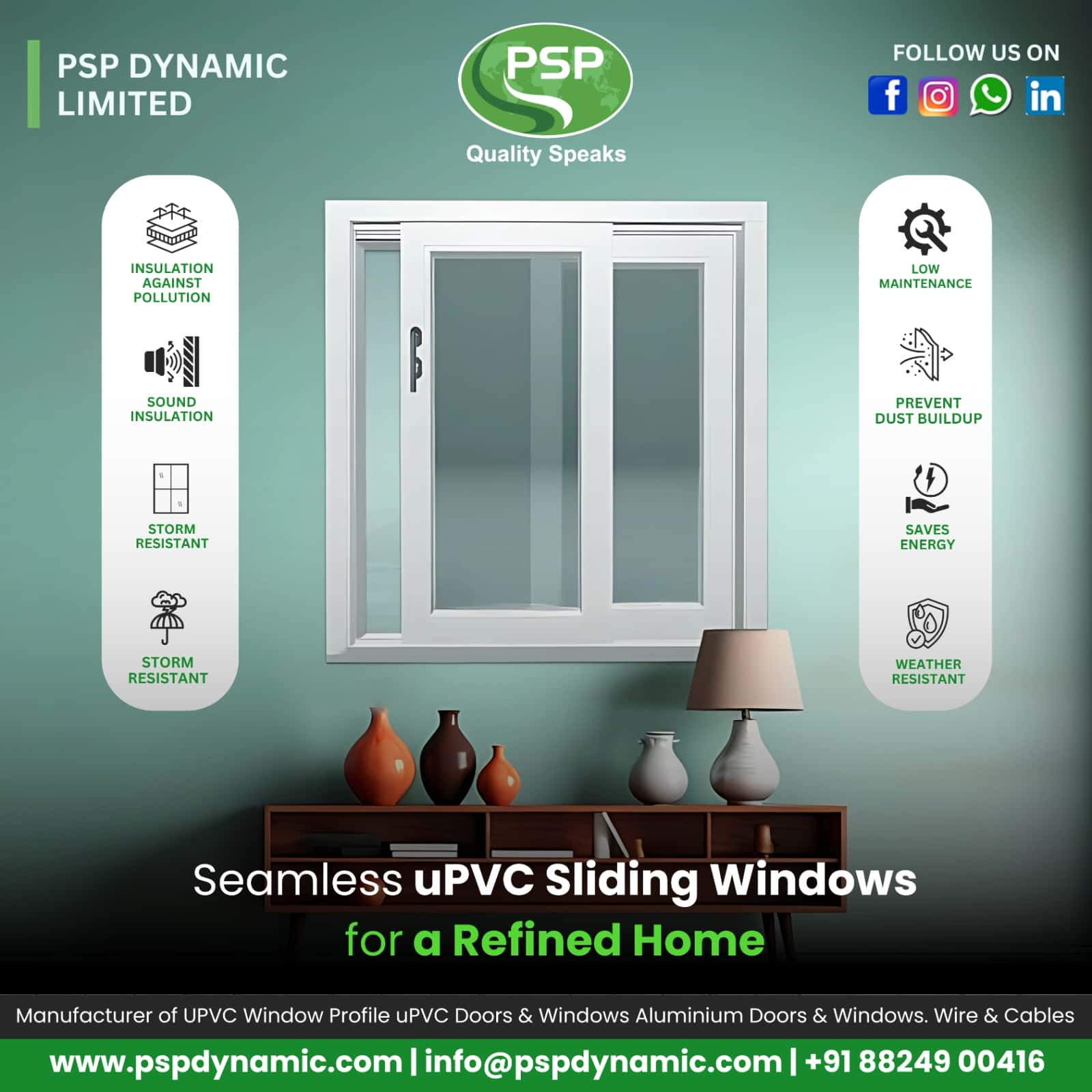
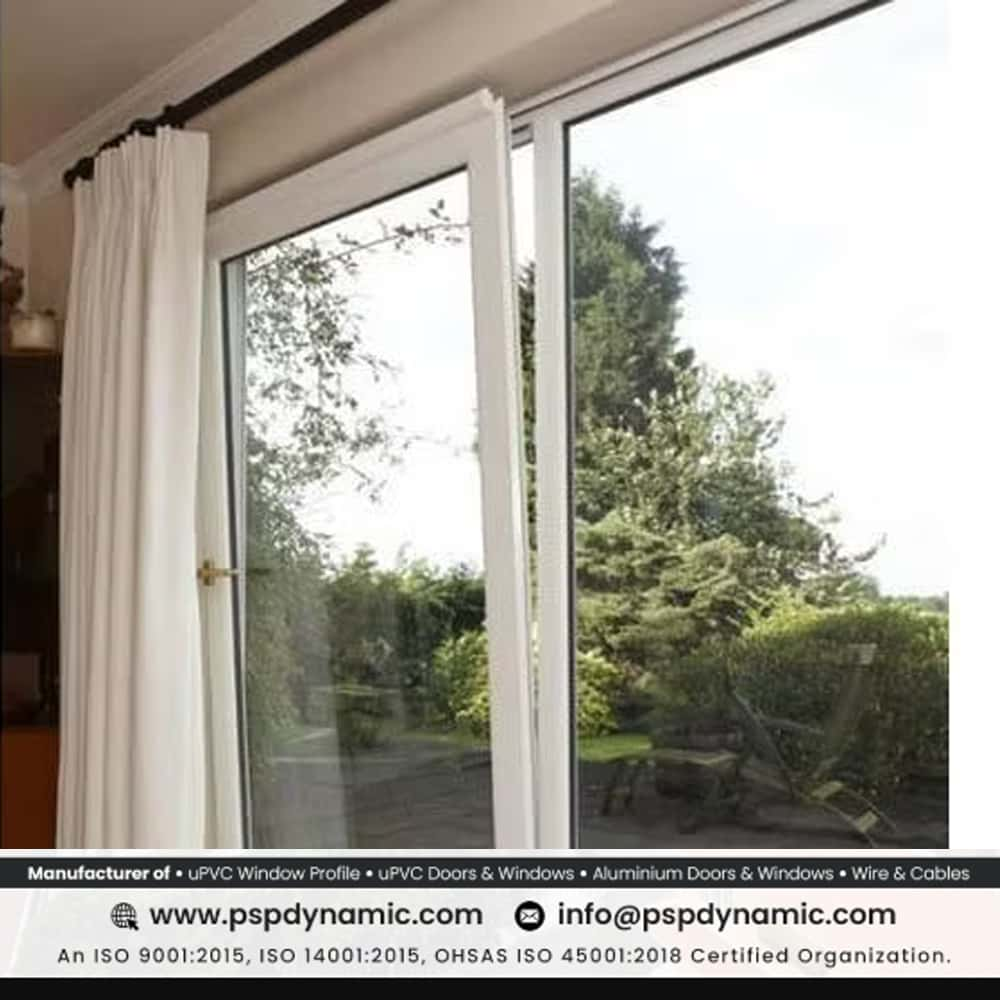
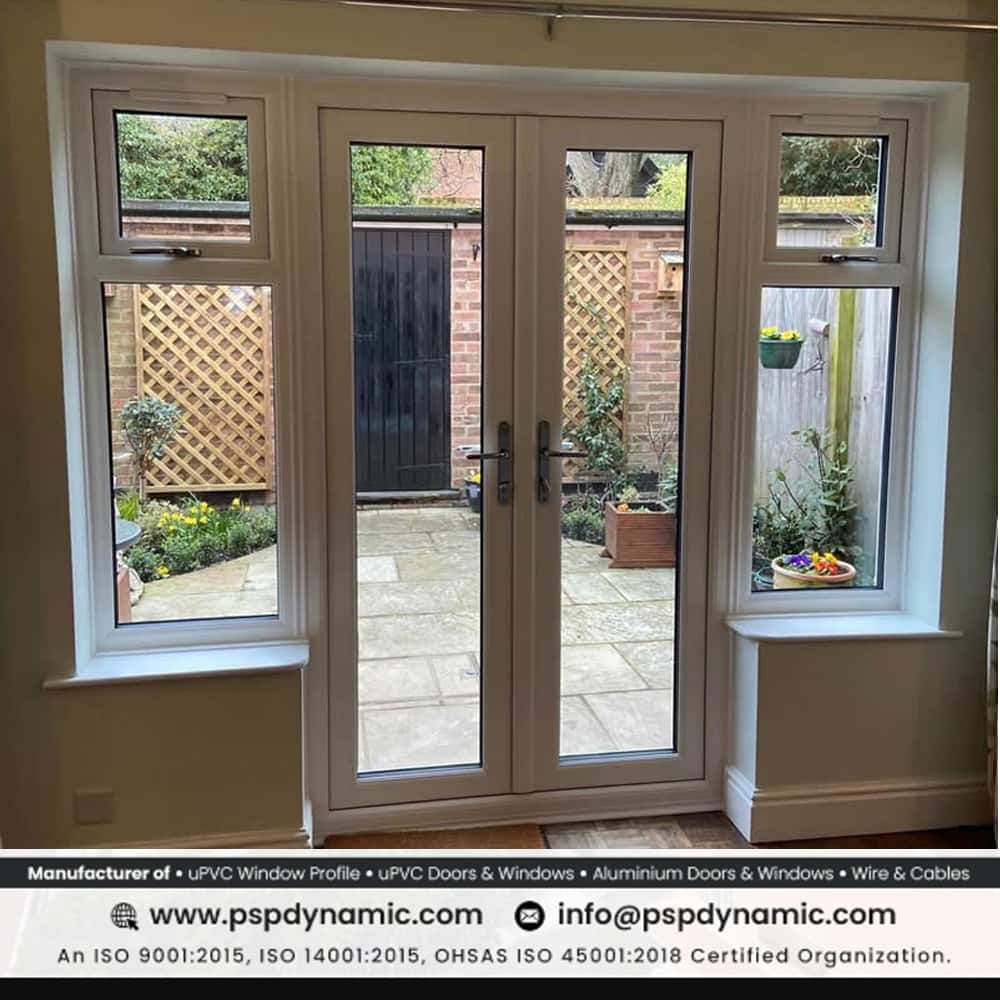
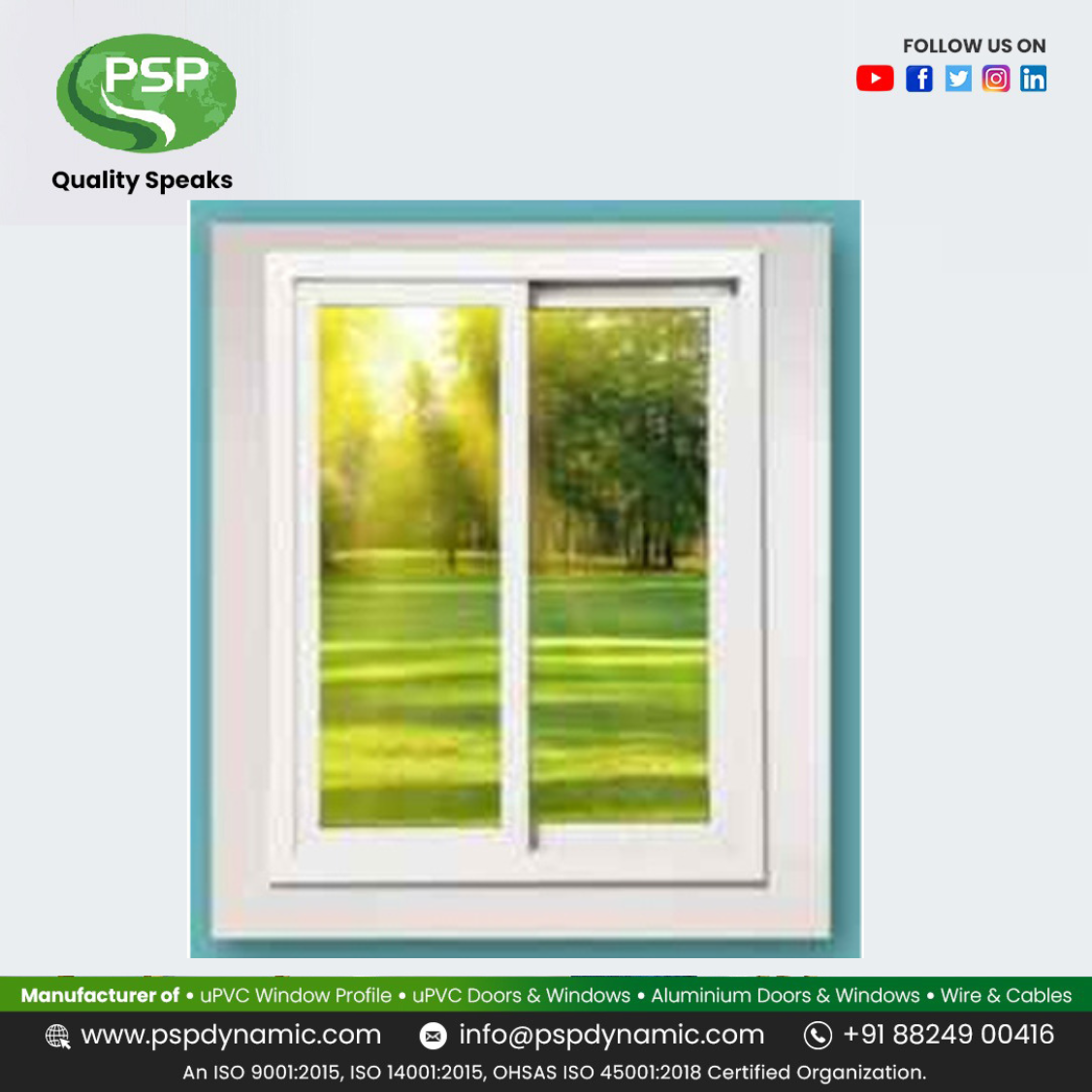
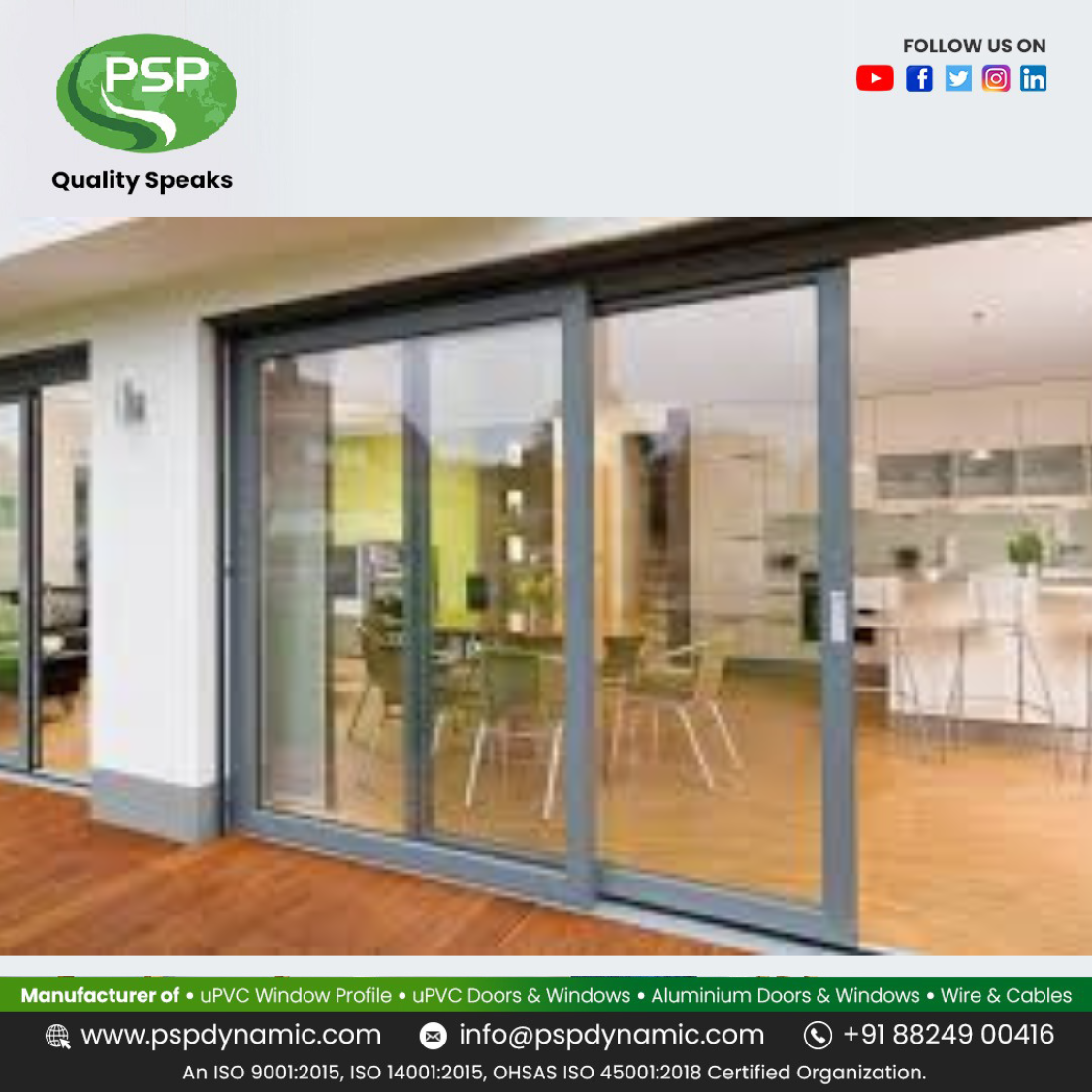
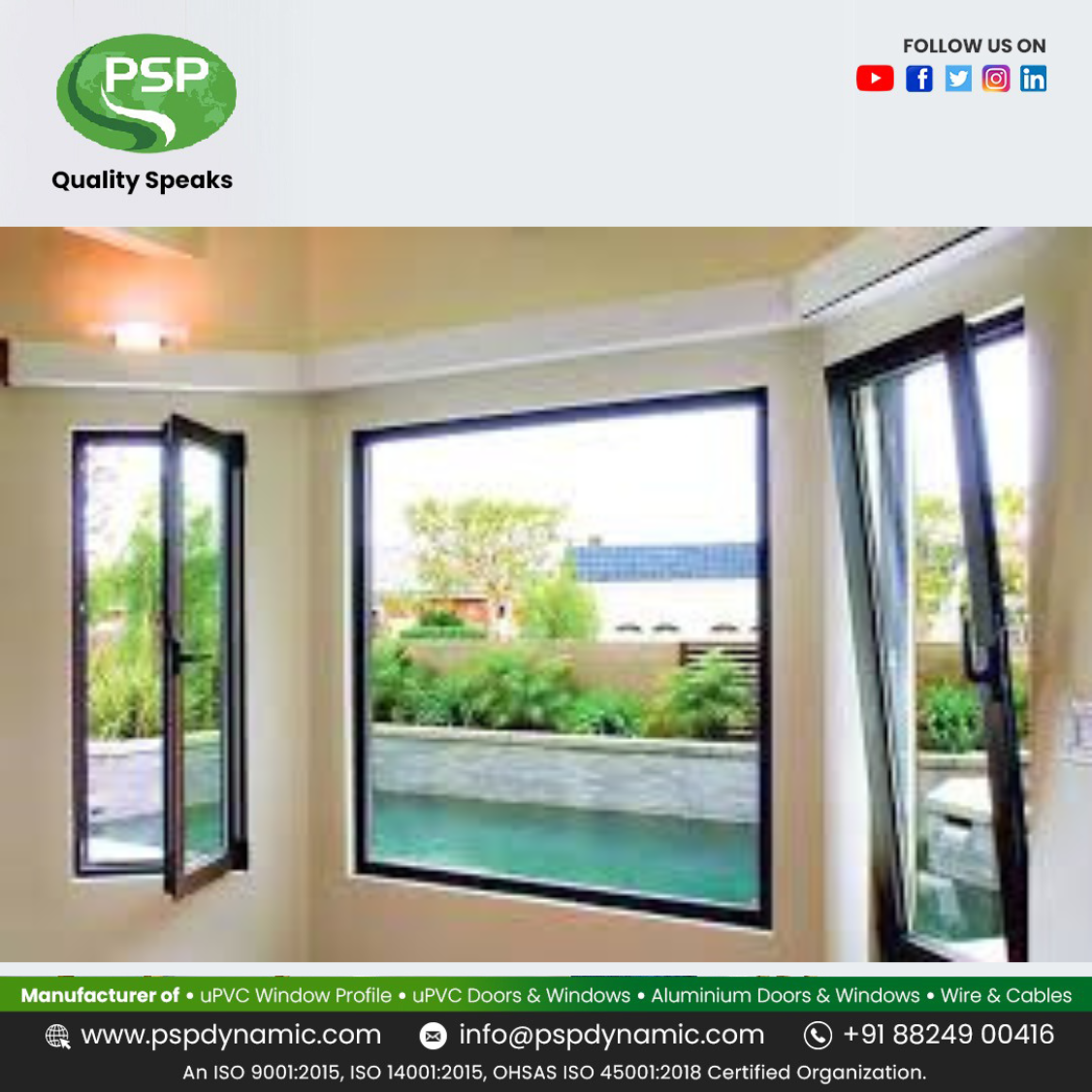
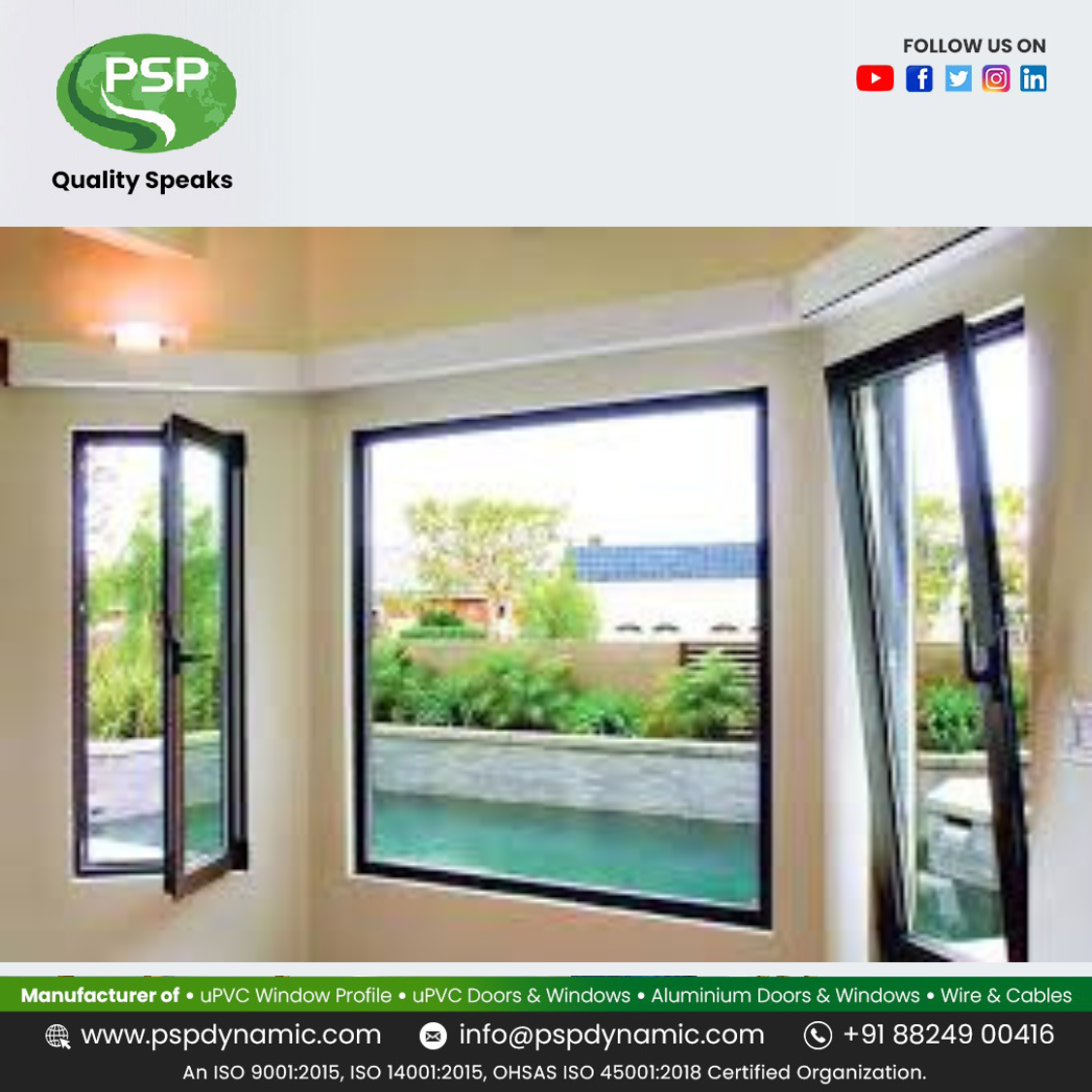
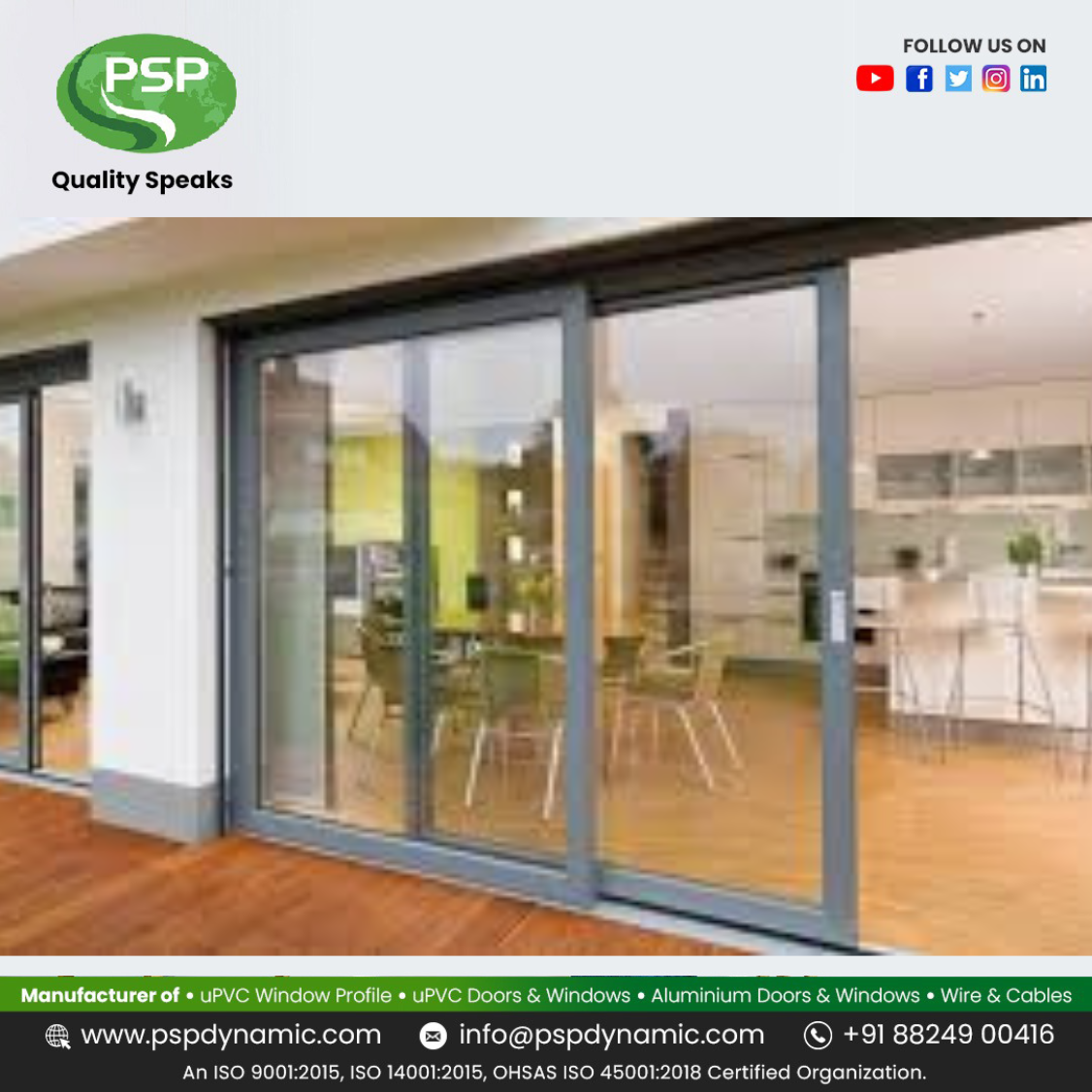
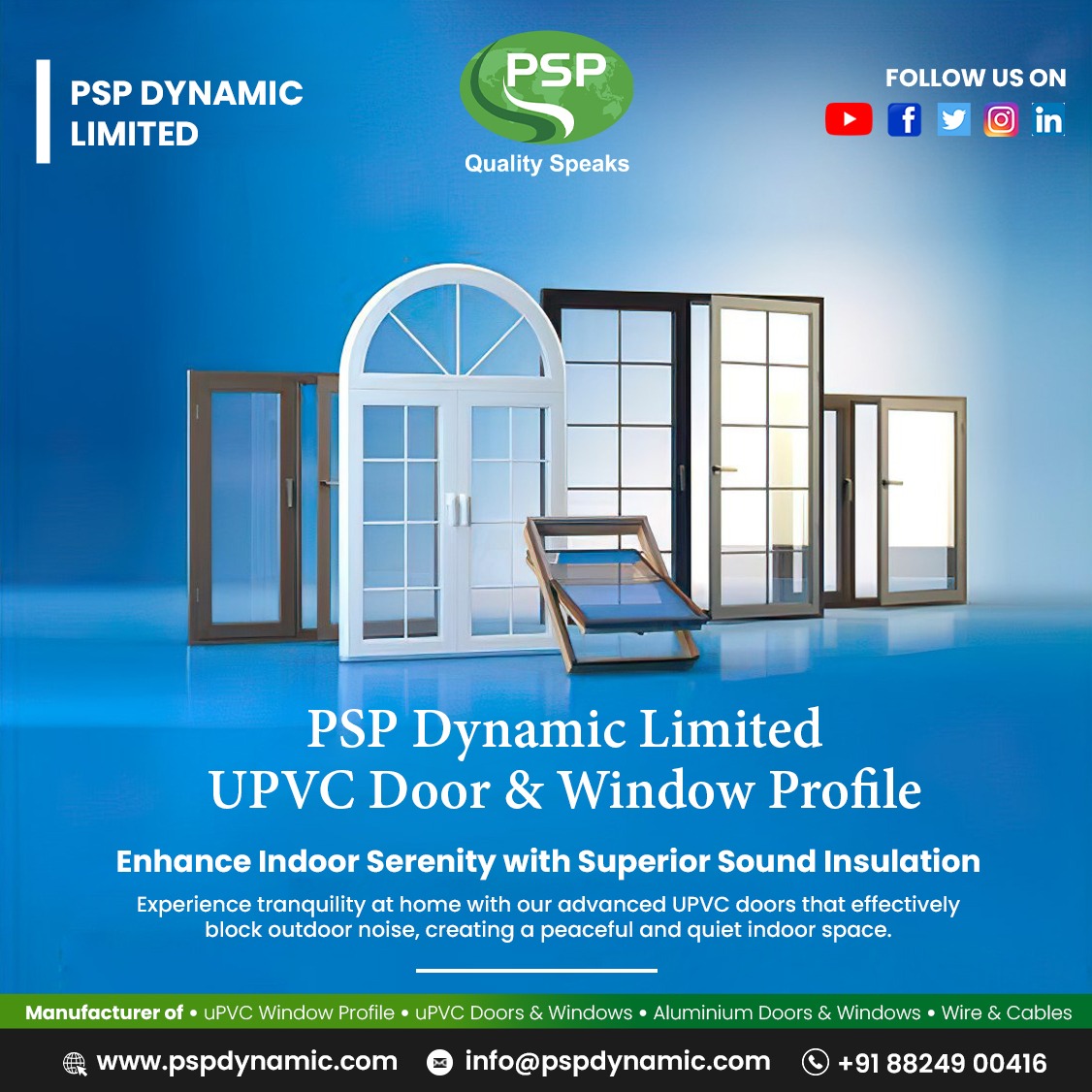
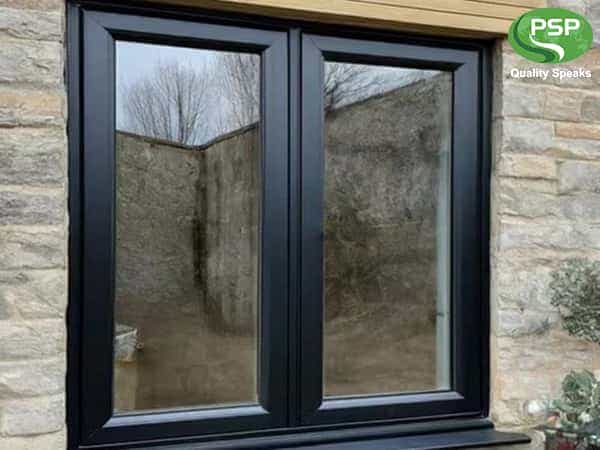
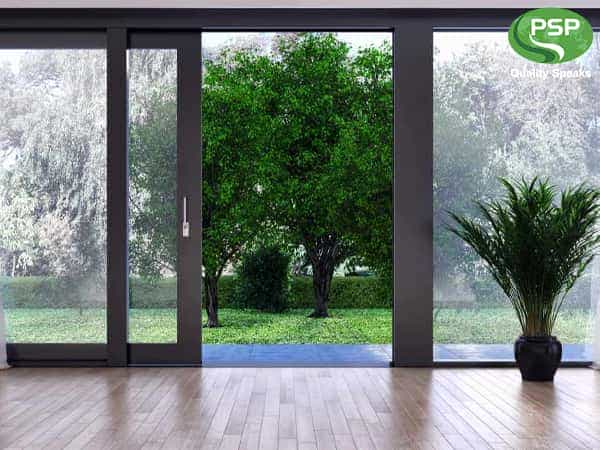
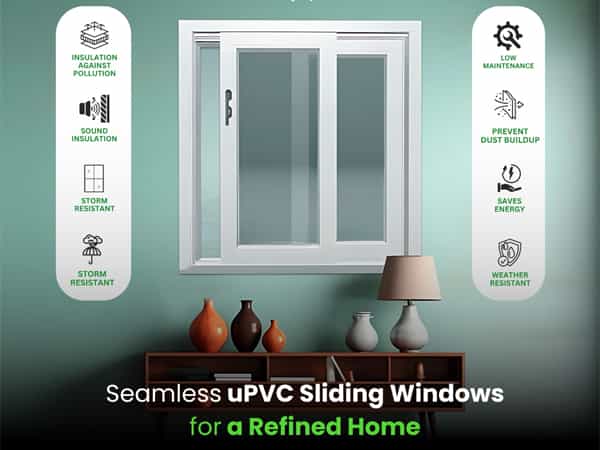
Durability and performance matter, but modern homeowners also expect their window frames to look good, and UPVC profiles have evolved considerably in this regard. Early UPVC products were criticised for looking utilitarian, but current manufacturing techniques allow for a wide range of finishes, textures, and colours that can match nearly any architectural style, from minimalist contemporary homes to more traditional designs that call for wood-grain finishes. UPVC profiles can be shaped into sliding windows, casement windows, tilt-and-turn systems, and bay windows, giving architects the flexibility to design spaces without being constrained by what the material can physically achieve. Slim sightlines are now achievable without sacrificing structural strength, which means more glass area and better natural light without compromising the frame's ability to handle wind loads or seismic movement. This combination of visual adaptability and engineering flexibility is a major reason UPVC profiles are being specified not just for budget-conscious projects but for premium residential and commercial developments across the country.
Choosing the Right UPVC Profile Manufacturer in India
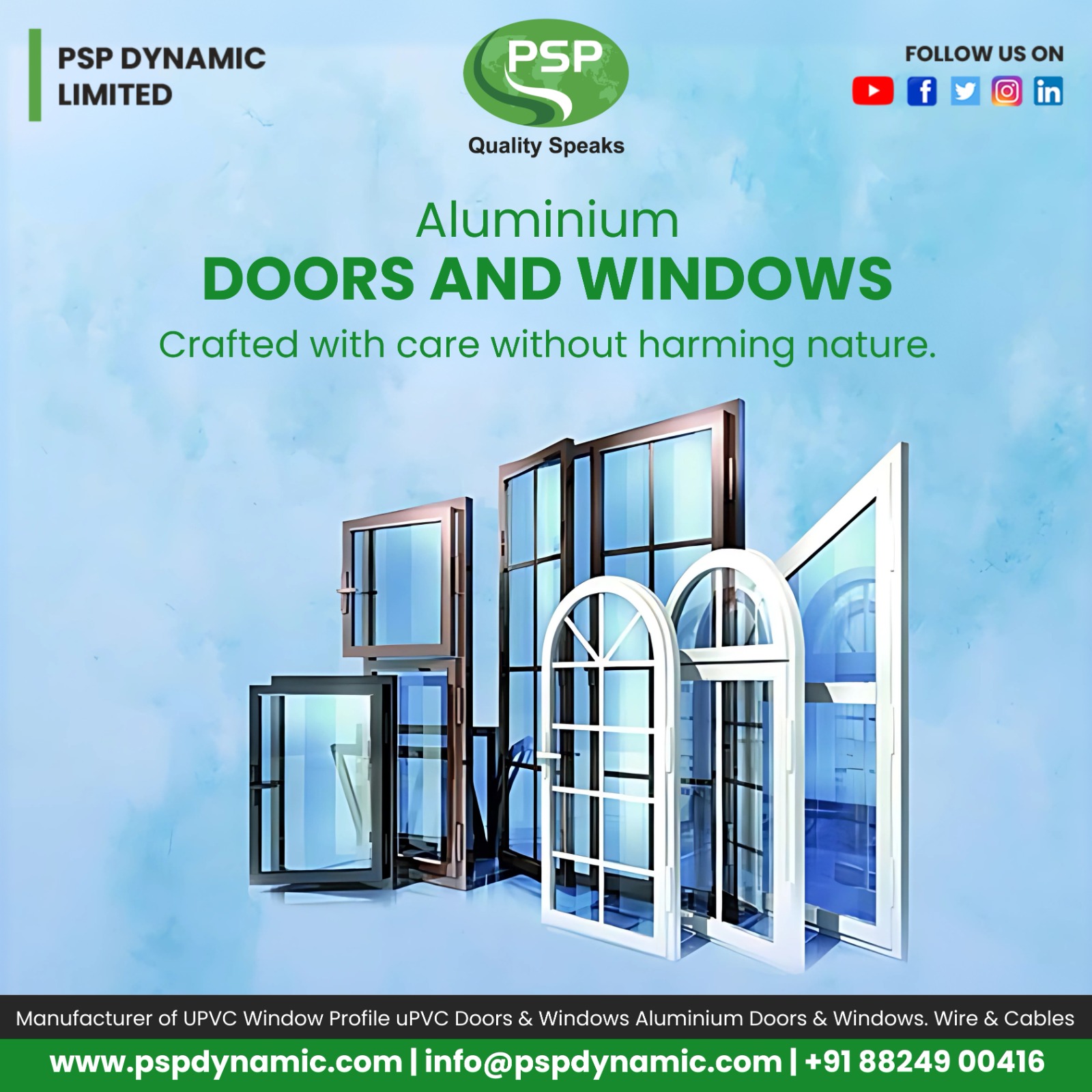
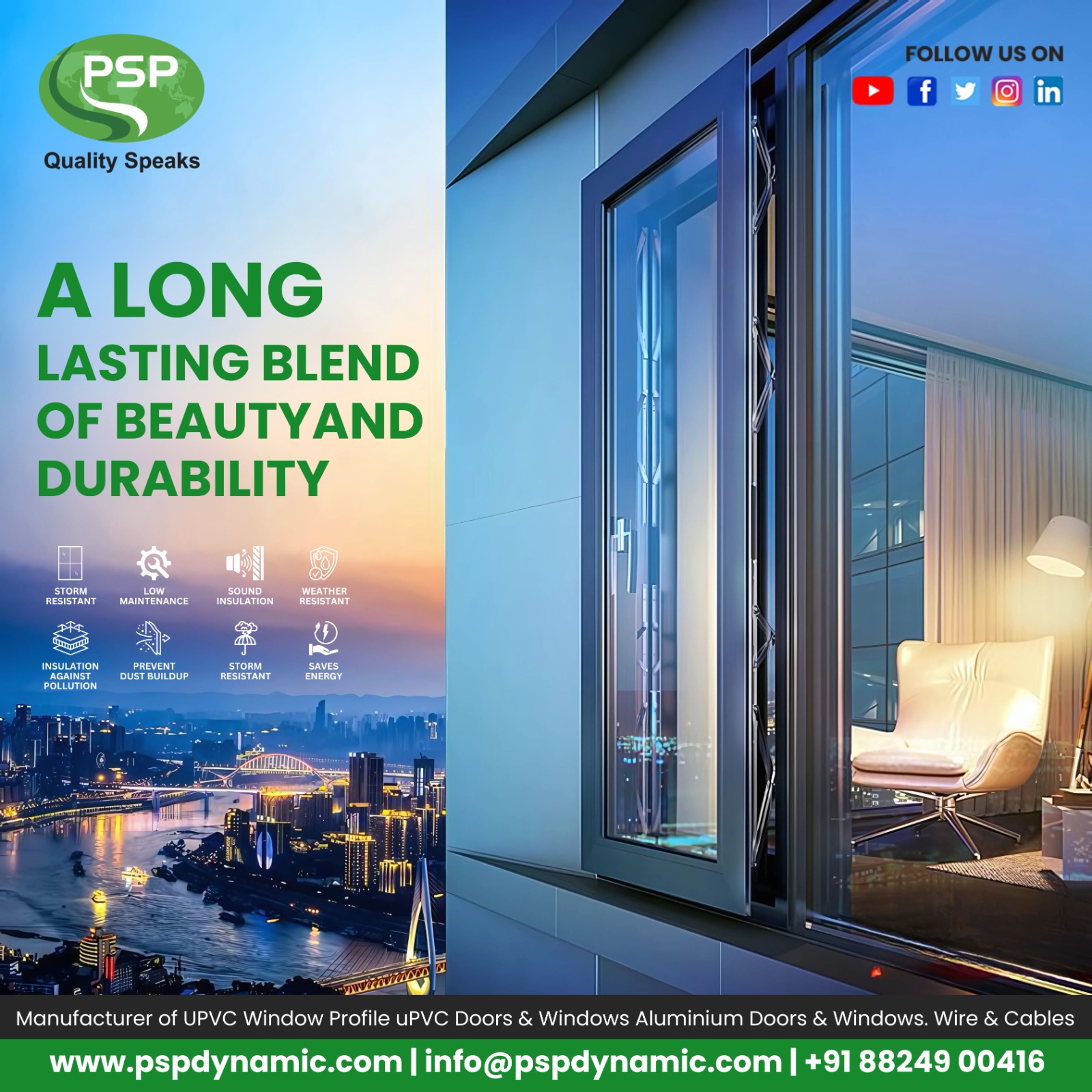
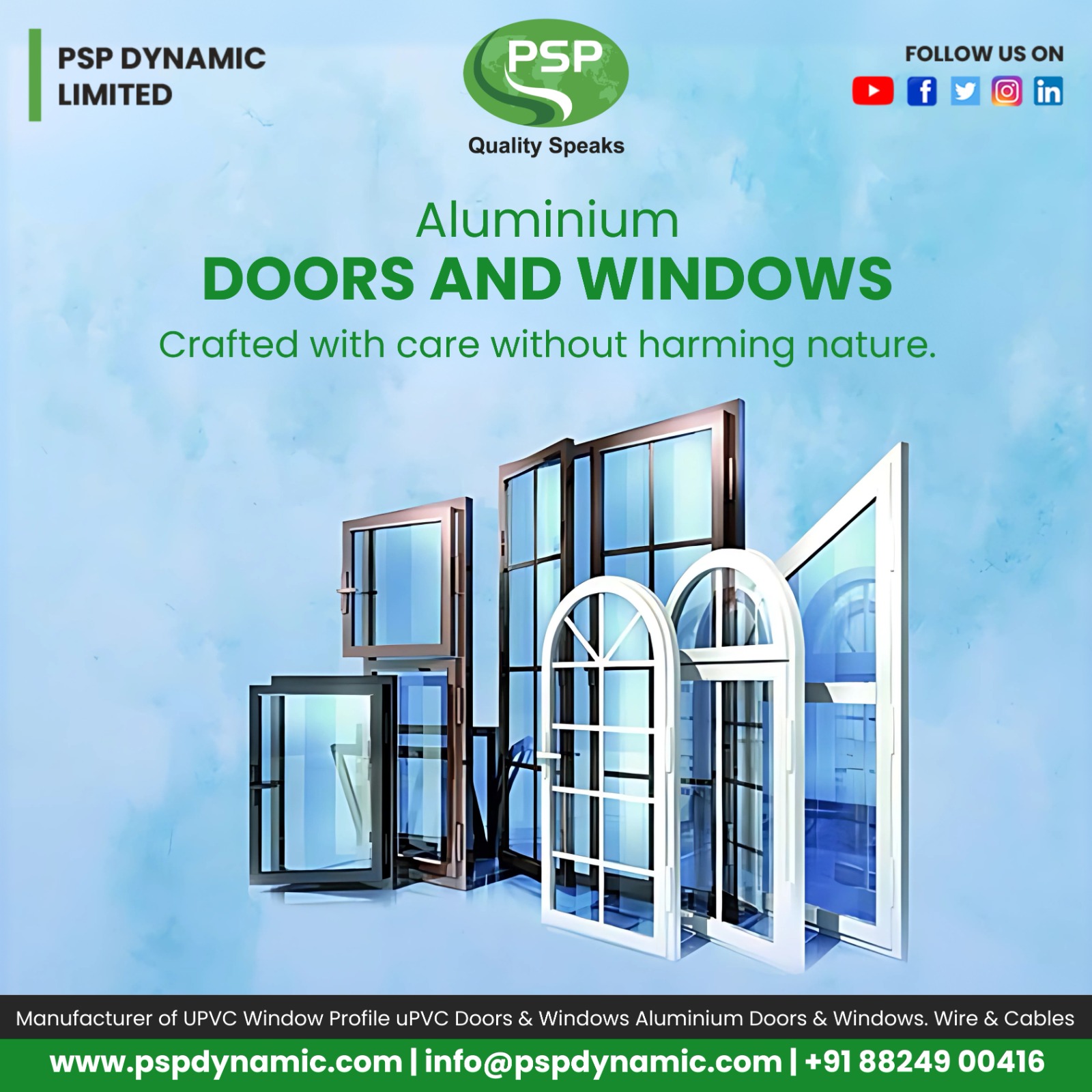
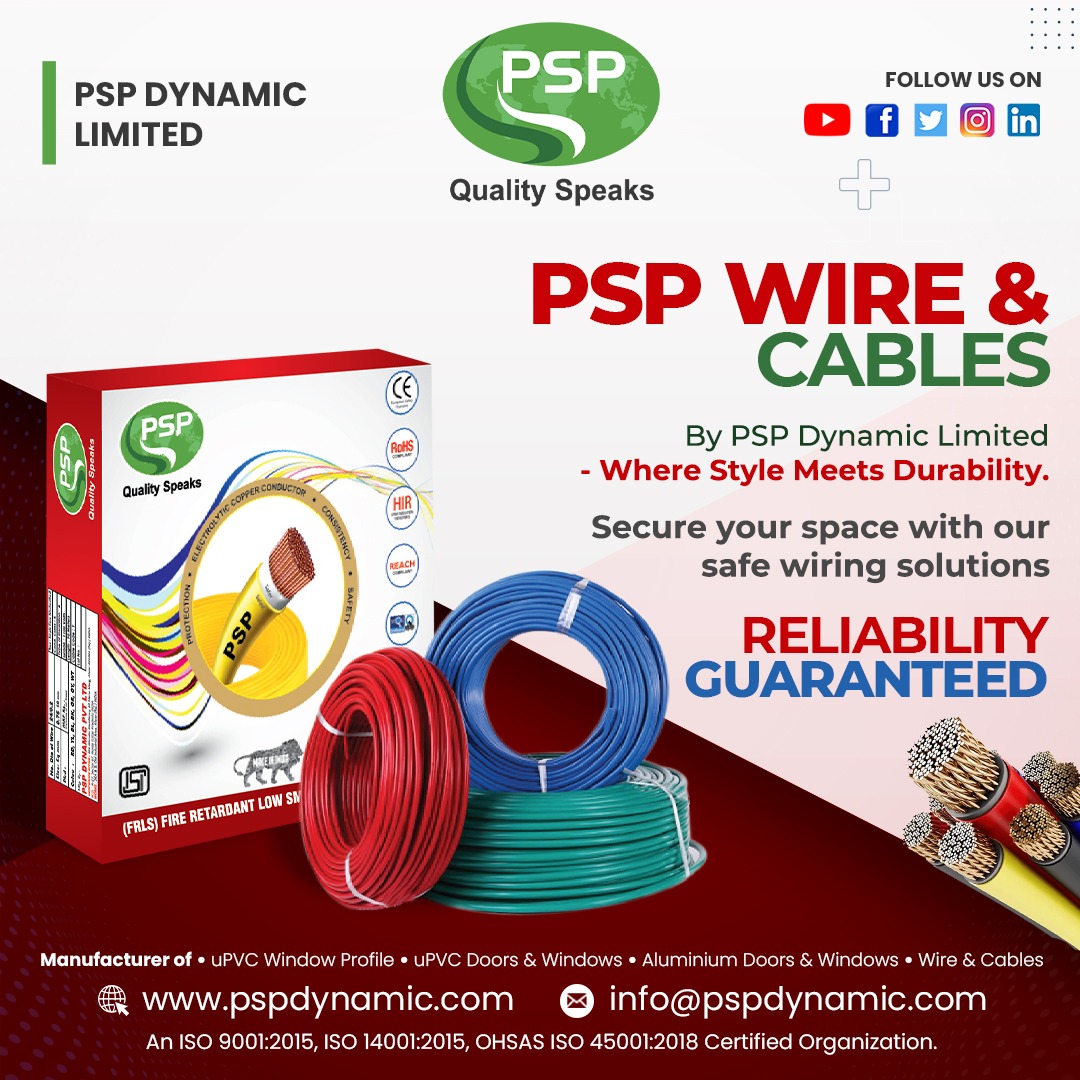
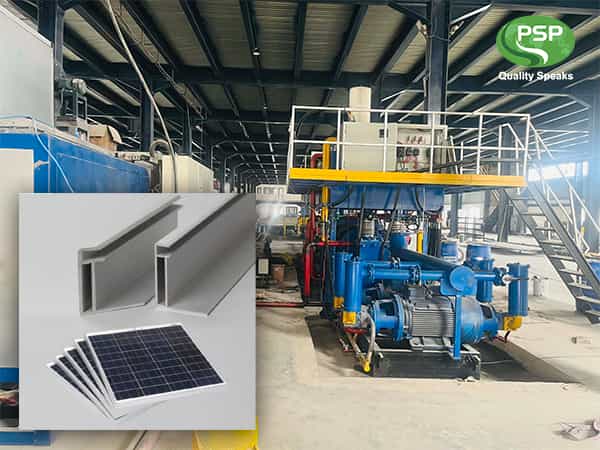
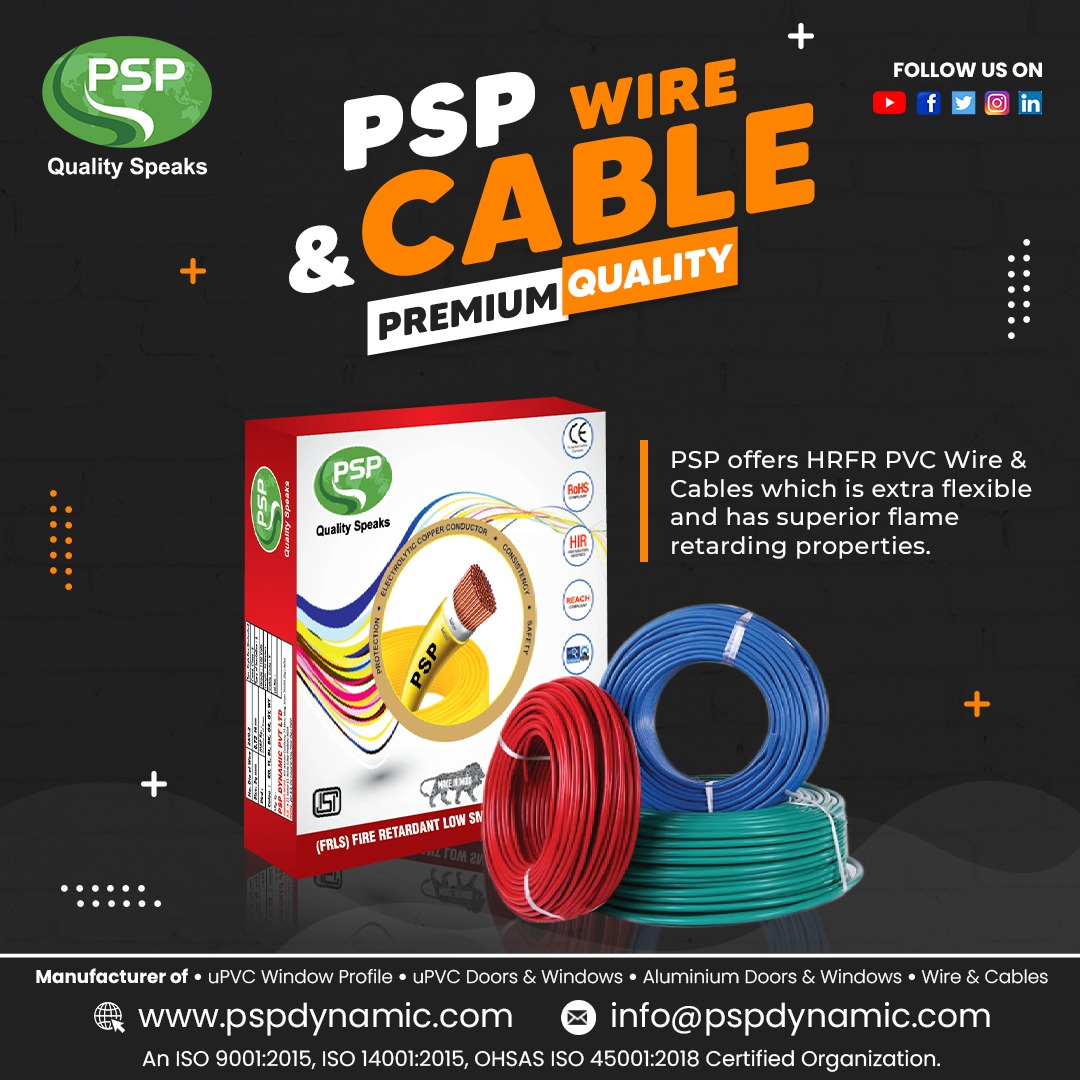
The performance differences between UPVC profiles from different manufacturers can be significant, which makes the choice of supplier just as important as the decision to use UPVC in the first place. Profile wall thickness, the quality of the raw PVC resin, the precision of the extrusion process, and the strength of internal steel reinforcement all vary between manufacturers, and lower-quality profiles can fail to deliver the durability and insulation benefits that make UPVC attractive in the first place. Buyers should look for manufacturers who test their profiles against recognised standards for impact resistance, weathering, and thermal performance, and who can demonstrate a track record of successful installations across different climate zones. PSP Dynamic manufactures UPVC window and door profiles, along with ALUMINIUM doors and windows and wire and cable products, from facilities designed to meet the rigorous demands of Indian weather conditions, from the humidity of coastal regions to the temperature extremes of northern plains. Working with an established, quality-focused manufacturer ensures that the long-term benefits of UPVC, from energy savings to structural longevity, are actually realised rather than undermined by inconsistent production quality. It is also worth asking whether a manufacturer can support both residential and larger commercial projects, since consistency across bulk orders often separates a dependable supplier from one that only performs well on small-scale jobs. Manufacturers who invest in their own extrusion lines, rather than outsourcing profile production, tend to offer better quality control because every stage of the process, from resin selection to final finishing, remains under one roof. This level of oversight matters most on large developments where hundreds of window units need to match precisely in colour, dimension, and structural performance, and where even minor inconsistencies can become expensive problems once installation is underway.
Frequently Asked Questions
Q1. What exactly is UPVC and how is it different from regular PVC?
UPVC stands for unplasticised polyvinyl chloride, a rigid, chemically stabilised version of PVC that has no plasticisers added. This makes it far stronger and more weather-resistant than flexible PVC, which is why it is used specifically for window and door frames rather than softer applications like tubing or wiring insulation.
Q2. Are UPVC window profiles suitable for coastal areas with high humidity?
Yes, UPVC profiles are particularly well suited to coastal climates because the material does not corrode, rust, or absorb moisture the way metal and wood frames can. Anti-bacterial and anti-fungal properties built into the profile also help prevent mould growth in consistently humid conditions.
Q3. How long do UPVC window profiles typically last?
High-quality UPVC window profiles from established manufacturers commonly last twenty-five years or more with minimal maintenance, thanks to their UV stability, resistance to warping, and strong internal reinforcement.
Q4. Do UPVC windows actually reduce electricity bills?
Yes, the multi-chambered design of UPVC profiles provides strong thermal insulation, which reduces heat transfer into and out of a room. This lowers the workload on air conditioners and heaters, leading to measurable savings on electricity bills over time.
Q5. Can UPVC profiles be customised to match different architectural styles?
Absolutely. Modern UPVC profiles are available in a range of colours, textures, and finishes, including wood-grain effects, and can be fabricated into sliding, casement, tilt-and-turn, and bay window designs to suit almost any architectural requirement.
Q6. Is UPVC a fire-safe material for window frames?
UPVC is inherently self-extinguishing and does not support combustion the way timber does, making it a safer choice from a fire-resistance standpoint compared to traditional wooden window frames.
Q7. How does UPVC compare to ALUMINIUM in terms of insulation?
UPVC significantly outperforms standard ALUMINIUM in thermal insulation because ALUMINIUM is a natural conductor of heat and cold. UPVC's chambered profile structure creates a thermal break that keeps interior temperatures more stable throughout the year.
Q8. What should I check before choosing a UPVC profile manufacturer?
Look for manufacturers who use quality-tested PVC resin, maintain consistent wall thickness in their profiles, offer proper steel reinforcement where needed, and have a demonstrated track record across varied climate conditions in India.
Conclusion
UPVC profiles have moved from being a niche alternative to becoming the standard against which modern window materials are measured, and the reasons are grounded in real performance rather than trends. From energy efficiency and near-zero maintenance to weather resistance and design flexibility, UPVC addresses the practical concerns that Indian homeowners and builders have struggled with for decades. As construction standards continue to rise and sustainability becomes a bigger part of every building decision, UPVC window profiles are well positioned to remain the material of choice for years to come. To explore UPVC window and door profiles, ALUMINIUM systems, and wire and cable solutions engineered for Indian conditions, visit www.pspdynamic.com and get in touch with the PSP Dynamic team.